The 1986 FIFA World Cup was the 13th FIFA World Cup, played in Mexico from May 31 to June 29, won by Argentina led by Diego Maradona, who scored both the controversial “Hand of God” goal and the “Goal of the Century” against England.
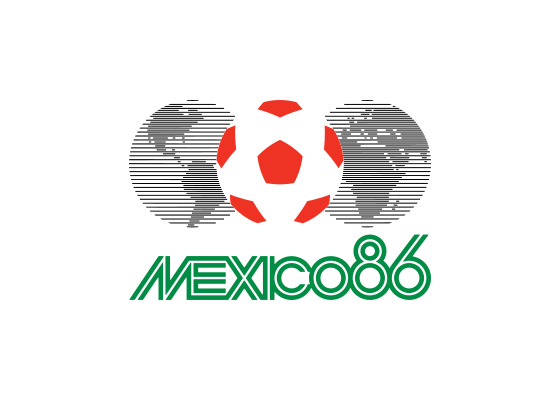
The 1986 FIFA World Cup logo uses the colors of the Mexican flag: vibrant green (#008c44), bold red (#ee3224), and white (#ffffff). The design incorporates these colors in an abstract composition that celebrates Mexico’s hosting of the tournament for the second time, having previously hosted in 1970. The green, white, and red arrangement creates a dynamic, festive mark that captures Mexican cultural vibrancy while maintaining the international character of the World Cup. The bold color choices ensure high visibility across television broadcasts, printed materials, and stadium signage. The composition suggests movement and celebration, appropriate for a tournament remembered for spectacular goals and dramatic moments.
Meaning and Symbolism
- Green, White, and Red: The colors of the Mexican flag, celebrating the host nation and making Mexico the first country to host the World Cup twice.
- Bold Color Blocks: Represent the passion and energy of Mexican football culture and the dramatic nature of the tournament.
- Abstract Forms: Suggest global unity and the diverse nations competing while honoring Mexico’s unique cultural identity.
- Dynamic Arrangement: Captures the excitement and memorable moments that would define the 1986 tournament.
Design and History
The 1986 World Cup was originally awarded to Colombia but the country resigned as host in 1982 due to economic difficulties. Mexico was selected as the replacement host in May 1983, becoming the first nation to host the World Cup more than once. The tournament featured a 24-team format introduced in 1982.
Argentina won the tournament, captained by 25-year-old Diego Maradona, who played a defining role in his team’s success. In the quarter-final against England, Maradona scored two of the most famous goals in World Cup history: the controversial “Hand of God” goal, where he punched the ball into the net, and minutes later the “Goal of the Century,” a stunning solo run that is considered one of the greatest goals ever scored.
Maradona scored five goals during the tournament and created another five for his teammates, establishing himself as one of football’s all-time greats. The tournament is remembered as much for Maradona’s individual brilliance as for Argentina’s team victory.
The logo’s use of Mexican national colors honored the host nation while the abstract design approach allowed the mark to represent the global nature of the competition and the diverse playing styles that would clash on Mexican soil.
Typography
Tournament materials used strong, contemporary typography that complemented the bold color palette while ensuring readability across international media and printed materials.
FAQ
Q: Why did Mexico host the 1986 World Cup?
A: Mexico became the replacement host after Colombia resigned in 1982 due to economic difficulties, making Mexico the first country to host the tournament twice after previously hosting in 1970.
Q: What made the 1986 tournament memorable?
A: Diego Maradona’s performances, including his “Hand of God” goal and “Goal of the Century” against England, along with Argentina’s championship victory, made 1986 one of the most memorable World Cups.
Q: What do the green, white, and red colors represent?
A: These are the colors of the Mexican flag, incorporated to celebrate Mexico’s historic second hosting of the World Cup and honor the host nation’s culture.
More logos with similar colors