The 2006 FIFA World Cup, branded as Germany 2006, was the 18th FIFA World Cup held from June 9 to July 9 in Germany, won by Italy who defeated France 5-3 in a penalty shoot-out after a 1-1 draw in the final.
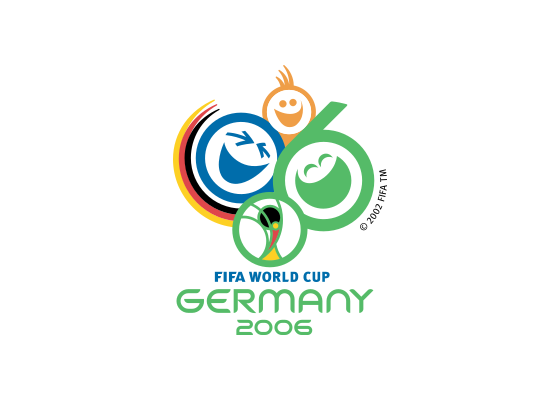
The 2006 FIFA World Cup logo features a vibrant, celebratory color palette including bright blue (#006dab), fresh green (#55bb68), bold red (#df474a), warm orange (#ef9e47), golden yellow (#fdd024), and white (#ffffff). The design uses multiple colors in an exuberant composition that suggests celebration, diversity, and the festival atmosphere of the World Cup. The rainbow-like color scheme creates an inclusive, welcoming identity appropriate for Germany’s second time hosting the tournament and the first as a unified country. The abstract forms incorporate movement and joy, reflecting Germany’s reputation for both technical precision and cultural celebration. The design moves away from literal German flag colors toward a more international, festive palette.
Meaning and Symbolism
- Multiple Bright Colors: Represent the diverse nations competing, the celebration of football, and Germany’s welcoming of the world.
- Blue and Green: Suggest the football pitch, fair play, and the global reach of the tournament.
- Red, Orange, Yellow: Create warmth and energy, representing the passionate atmosphere and festive spirit of the World Cup.
- White Accents: Provide contrast and suggest unity, purity of sport, and the coming together of nations.
Design and History
The 2006 World Cup was held in Germany, which had won hosting rights in July 2000. This was the second time Germany staged the competition and the first as a unified country, with Leipzig representing the former East Germany as a host city. It was the tenth time the tournament was held in Europe.
Teams representing 198 national football associations participated in qualification beginning in September 2003, with 31 teams joining hosts Germany in the finals. Italy won the tournament, claiming their fourth World Cup title by defeating France 5-3 in a penalty shoot-out after the final ended 1-1 following extra time. Germany defeated Portugal 3-1 to finish third.
The tournament is remembered for its festive atmosphere and Germany’s successful hosting, which helped improve the country’s international image. The colorful logo reflected this welcoming spirit, moving beyond traditional German colors to embrace a more global, celebratory aesthetic.
The 2006 World Cup also marked advances in stadium technology and fan engagement, with the logo needing to work across traditional media, emerging digital platforms, and new forms of fan interaction. The bright, diverse color palette ensured visibility across all these contexts.
The tournament’s success demonstrated Germany’s organizational capabilities and helped establish a new standard for World Cup hosting and branding that balanced national identity with international inclusiveness.
Typography
Tournament materials employed modern, clean typography that reflected German design precision while remaining accessible and welcoming to international audiences across multiple languages.
FAQ
Q: Why was 2006 significant for Germany as a host?
A: It was Germany’s second time hosting the World Cup and the first as a unified country after reunification, with Leipzig representing the former East Germany.
Q: Who won the 2006 World Cup?
A: Italy won the tournament, defeating France 5-3 in a penalty shoot-out after a 1-1 draw, claiming their fourth World Cup title.
Q: Why does the logo use so many colors?
A: The rainbow-like palette represents diversity, celebration, and Germany’s welcoming of the world, moving beyond national colors to embrace an inclusive, festive identity for the global tournament.
More logos with similar colors