The 2014 FIFA World Cup was the 20th edition of the quadrennial tournament, held in Brazil from June 12 to July 13.
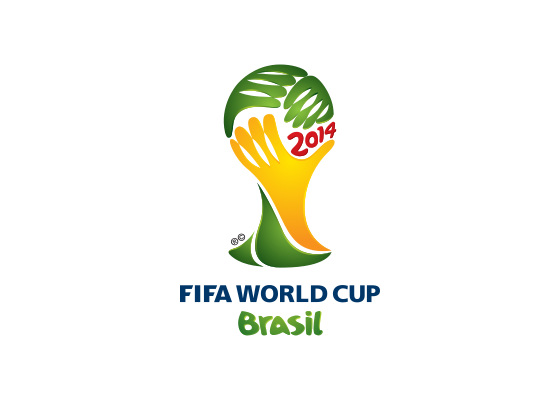
The logo presents a bold, gestural composition depicting three hands reaching upward toward the World Cup trophy, rendered in vibrant yellow-gold at the top of the design. The hands, created through sweeping brushstroke-like forms, use bright green, red, and yellow-orange tones that reference the Brazilian flag. The overall silhouette creates the shape of the trophy itself through negative space, with the upward-reaching fingers forming the trophy’s handles. Below the graphic mark sits “2014 FIFA WORLD CUP BRAZIL” in a clean, contemporary sans-serif typeface. The design employs an extensive color palette with rich gradations, giving the marks a painterly, celebratory quality that evokes both Brazilian culture and the joy of victory.
Meaning and Symbolism
- Three Reaching Hands: The hands represent victory, celebration, and the universal gesture of lifting the World Cup trophy in triumph.
- Brazilian Flag Colors: The green, yellow, and touches of blue directly reference Brazil’s national colors, grounding the tournament in its host nation.
- Trophy Silhouette: The negative space formed by the hands creates the iconic shape of the FIFA World Cup, making the design both celebratory and symbolic.
- Gestural Energy: The brushstroke quality of the forms suggests movement, passion, and the artistic, expressive culture associated with Brazilian football.
Design and History
The 2014 FIFA World Cup logo, developed by Brazilian agency Africa, represented a return to more illustrative, culturally grounded tournament branding after several editions of abstract geometric marks. The design team drew direct inspiration from Brazil’s “jogo bonito” (beautiful game) philosophy and the country’s reputation for artistic, expressive football. The hands reaching for the trophy captured both the aspiration of competing nations and the celebratory spirit of Brazilian culture.
The logo’s development involved extensive consultation to ensure it resonated with Brazilian identity while maintaining the international prestige required of World Cup branding. The design team specifically avoided literal representations of Brazilian landmarks or stereotypical imagery, instead focusing on the universal language of gesture and celebration. The choice to use hands rather than footballers or abstract shapes created immediate emotional connection, as the upward reach and celebratory pose communicate clearly across cultures.
The rich color palette marked a significant departure from the trend toward simplified, three or four-color sports logos. The design employed numerous gradations within each primary color, creating depth and a hand-painted quality that referenced Brazil’s vibrant street art and graphic design traditions. This complexity presented reproduction challenges but created a distinctive, memorable mark that stood apart from the cleaner, more corporate aesthetics of some previous World Cup identities.
The 2014 logo became one of the most widely recognized tournament marks in recent FIFA history, appearing prominently throughout Brazil’s twelve host cities and achieving strong public reception. The design’s success demonstrated that cultural specificity and visual complexity could coexist with effective international sports branding, influencing subsequent tournament identity approaches.
Typography
The supporting wordmark uses a modern, humanist sans-serif typeface with slightly rounded terminals and even stroke weights. Set in uppercase with moderate tracking, the text provides clear information hierarchy with “2014 FIFA WORLD CUP” receiving larger scale than “BRAZIL” below. The neutral typographic treatment balances the expressive graphic mark, ensuring legibility across applications while allowing the celebratory hands to dominate visually.
FAQ
Q: Who designed the 2014 FIFA World Cup logo?
A: The Brazilian creative agency Africa developed the logo, working closely with FIFA and the local organizing committee to create a mark that honored Brazilian culture while meeting international tournament standards.
Q: Why use hands instead of other Brazilian symbols?
A: Hands reaching for the trophy communicate universally across cultures while avoiding potentially stereotypical representations of Brazil, creating a mark focused on achievement and celebration rather than geographic or cultural clichés.
Q: How did this logo compare to previous World Cup designs?
A: The 2014 mark represented a shift toward more illustrative, culturally expressive tournament branding compared to the abstract, geometric approaches of several previous editions, setting a precedent for host-nation identity in tournament design.
More logos with similar colors