The San Francisco 49ers are a professional American football team competing in the NFL’s NFC West division, playing home games at Levi’s Stadium in Santa Clara, California.
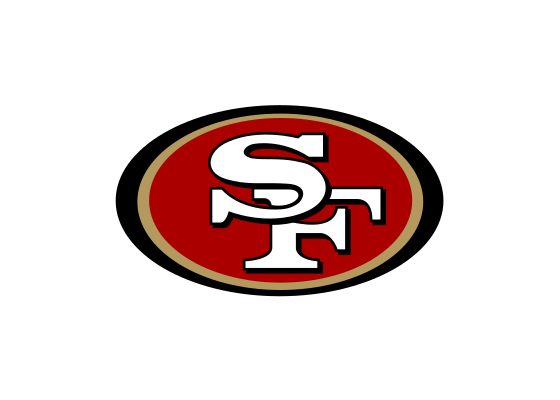
The logo features the iconic “SF” monogram enclosed within an oval, rendered in the team’s distinctive scarlet red and metallic gold. The design presents a stylized interlocking or overlapping treatment of the letters, creating a unified symbol that has become one of the NFL’s most recognizable marks. The oval border frames the monogram cleanly, with the entire composition typically appearing in red with gold accents or reversed in various combinations. The letterforms employ a custom serif typeface with strong, confident strokes that convey both tradition and athletic power. The overall design projects San Francisco sophistication, California gold rush heritage, and the championship legacy of one of football’s most storied franchises.
Meaning and Symbolism
- SF Monogram: The interlocking letters represent San Francisco identity while creating a compact, memorable symbol that works effectively on helmets and uniforms.
- Scarlet Red: The distinctive red conveys passion, competitive fire, and the team’s aggressive playing style while standing out on the field.
- Metallic Gold: The gold accents reference California’s gold rush history and the team’s naming origin while suggesting championship excellence.
- Oval Frame: The classic oval shape creates timeless elegance and provides a contained, balanced composition that ages well across decades.
Design and History
The 49ers logo has remained remarkably consistent since the team’s founding in 1946, named after the prospectors who rushed to California during the 1849 gold rush. The design evolved through subtle refinements while maintaining the core SF monogram and oval frame, creating one of the NFL’s most stable visual identities. This consistency built extraordinary brand equity, with the mark becoming instantly recognizable across generations of fans.
The scarlet and gold color combination proved distinctive within the NFL, differentiating the 49ers from teams using more common red and blue palettes. The specific shades evolved slightly over decades, with the team refining the gold from yellowish tones to richer metallic finishes that reproduced better across television broadcasts and merchandise. These subtle adjustments maintained the essential character while improving technical performance.
The SF monogram’s interlocking or overlapping treatment created visual sophistication rare in football branding, where many teams employed more literal symbols like animals or objects. The abstract letterform approach gave the logo timeless quality, avoiding the dated appearance that can affect more illustrative marks. This design choice aligned with San Francisco’s reputation for design consciousness and cultural sophistication, differentiating the team from franchises in smaller markets.
The oval frame provided crucial versatility for the wide range of applications NFL teams require. The shape worked effectively on helmets, where it appeared prominently on both sides, while also functioning well on jerseys, merchandise, and corporate communications. The contained composition ensured the mark never felt fragmented or awkwardly cropped regardless of context.
The logo’s longevity coincided with the team’s championship success, particularly during the 1980s and 1990s when the 49ers won five Super Bowls. This association between the visual identity and winning created powerful brand equity, with the logo symbolizing excellence, tradition, and championship football. The design became so iconic that even during losing seasons, the mark retained its prestige through accumulated heritage.
Typography
The SF letterforms employ a custom serif typeface with strong, slightly condensed proportions and distinctive character. The letters feature thick main strokes, sharper serifs, and confident angles that create an athletic, powerful presence. The interlocking or overlapping arrangement creates visual unity while maintaining individual letter legibility. The typography avoids overly decorative flourishes in favor of bold clarity, ensuring the monogram reads clearly when rendered small on helmets or large on stadium signage. The letterforms’ specific proportions and interlocking relationship have remained largely unchanged for decades, building recognition through consistency across changing football eras.
FAQ
Q: Why are they called the 49ers?
A: The name honors the prospectors who arrived in California during the 1849 gold rush, connecting the team to California history and the pioneering spirit of the region’s early settlers.
Q: Has the logo changed significantly over time?
A: The core SF monogram and oval frame have remained remarkably consistent since the team’s founding, with only minor refinements to proportions, colors, and details rather than fundamental redesigns.
Q: What are the official team colors?
A: The 49ers’ official colors are scarlet (a specific shade of red) and gold, chosen to reference the California gold rush era and create a distinctive, recognizable palette within the NFL.
More logos with similar colors