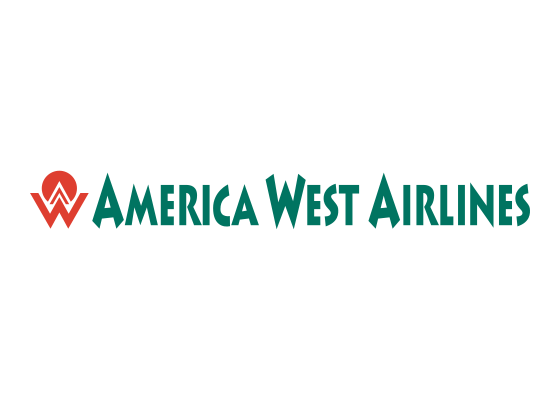
The America West Airlines logo represented a major U.S. carrier founded in 1981 and operating until its 2005 merger with US Airways, using distinctive teal and red that reflected Southwestern regional identity and post-deregulation optimism.
The logo featured an abstract mark in rich teal green paired with energetic red, creating a color combination that stood out dramatically in airline markets dominated by blues and reds alone. The teal evoked the desert Southwest landscapes surrounding the airline’s Phoenix hub, suggesting the turquoise jewelry and natural scenery synonymous with Arizona. Red provided energetic contrast and patriotic connection appropriate for an American carrier. The abstract treatment likely incorporated stylized flight motion or geographic elements without resorting to literal aircraft imagery, allowing the mark to feel contemporary rather than dated. The overall composition conveyed the innovative, entrepreneurial spirit of a post-deregulation startup that grew to billion-dollar revenue status.
Meaning and Symbolism
- Teal Green: Represented Southwestern regional identity, turquoise desert landscapes, and America West’s Phoenix-based character distinct from traditional airline blues
- Red Accent: Conveyed energy, American patriotic connection, and competitive intensity in expanding air travel markets
- Abstract Form: Suggested forward motion, Western expansion, and the modern entrepreneurial approach of post-deregulation aviation
- Color Combination: Created distinctive visual identity differentiating America West from established carriers in competitive route networks
Design and History
The America West identity emerged during airline industry deregulation that allowed new carriers to challenge established giants. Founded in 1981 with service beginning in 1983, America West positioned itself as a modern, efficient alternative to legacy carriers, requiring branding that felt fresh and regionally authentic. Operating from Phoenix Sky Harbor and Las Vegas McCarran hubs, the airline served Western U.S., Canadian, and Mexican markets where the teal and red palette created immediate visual distinction on tarmacs and in terminal areas.
The design reflected post-deregulation optimism, when new airlines could establish distinct identities rather than conforming to traditional aviation aesthetics. The teal choice proved particularly strategic, creating Southwestern authenticity while avoiding the blues dominating competitors like United, American, and Delta. This differentiation helped America West establish brand recognition as it grew to serve 100 cities with 140 aircraft by 2005.
The abstract mark accommodated America West’s evolution from regional upstart to major carrier without requiring redesign. As the airline added international codeshare partnerships for European connections and regional feed through America West Express, the flexible identity maintained relevance. The treatment worked effectively on livery, airport signage, ticket counters, and marketing materials throughout the airline’s growth trajectory.
When America West acquired US Airways in 2005 but adopted the US Airways name, the distinctive teal and red identity disappeared from aviation, replaced by US Airways’ traditional red, white, and blue. This transition marked the end of one of post-deregulation era’s most distinctive airline visual identities, though America West’s operational certificates and corporate structure technically survived within the merged entity.
Typography
The America West wordmark likely employed clean, modern sans-serif letterforms appropriate for 1980s-90s transportation branding. The typography would have balanced approachability with professional aviation standards, ensuring readability across livery, signage, and ticketing materials while maintaining the contemporary character that distinguished post-deregulation carriers from legacy airlines.
FAQ
Q: Why did America West use teal instead of traditional airline blue? A: The teal green created distinctive Southwestern regional identity reflecting Phoenix-area desert landscapes and turquoise jewelry traditions, differentiating America West from blue-dominated competitors while establishing authentic Western character.
Q: What happened to the America West brand? A: Despite America West technically acquiring US Airways in 2005, the merged carrier adopted the US Airways name and branding, ending the distinctive teal and red identity after 22 years of operation.
Q: What made America West unique among post-deregulation airlines? A: America West held the distinction of being the only post-deregulation U.S. airline still operating under its original certificate at merger time, representing sustained independent operation from the competitive era following 1978 deregulation.
More logos with similar colors