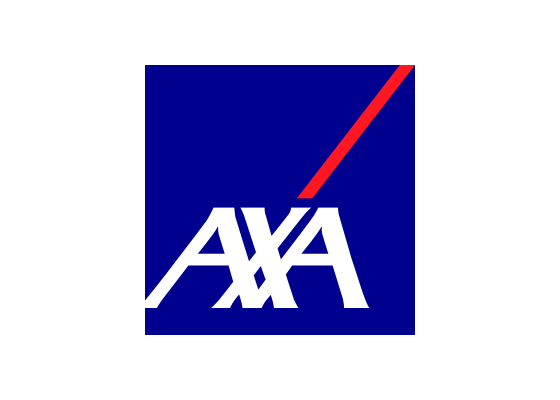
The AXA logo features a bold combination of deep blue (#00008f), red (#ff1721), and white (#ffffff) in a square format that emphasizes stability and protection.
The brand identity uses a distinctive square container with the three-letter name rendered in strong geometric letterforms. The deep blue (#00008f) serves as the primary brand color, signaling trust and institutional authority essential for insurance services. The red accent (#ff1721) adds energy and creates visual distinction from purely blue insurance competitors like Allianz or Zurich. The square format itself suggests stability, containment, and the protective role that insurance provides, creating a visual metaphor for coverage and security.
The AXA name itself represents strategic branding rather than descriptive naming. Created in 1985 when several French insurance companies merged, “AXA” was chosen for its clarity across languages and its symmetry that works in any alphabet. The three letters create perfect visual balance, with the “X” providing a distinctive central element flanked by identical “A” letters. This symmetry extends to the logo’s square format, where every element balances against its counterpart.
The color combination of blue, red, and white references French national colors without being overtly nationalistic. This matters for a multinational insurer operating across dozens of countries where explicit French identity might create friction. The deep blue (#00008f) is navy rather than the brighter royal blue of the French flag, maintaining professional insurance aesthetics while carrying subtle national associations. The logo appears on everything from auto insurance policies in Belgium to life insurance materials in Japan, requiring cross-cultural functionality.
Meaning and Symbolism
- Deep blue (#00008f): Conveys institutional trust, stability, and the long-term reliability required from insurance providers protecting against future risks.
- Red accent (#ff1721): Adds energy and visibility, differentiating AXA from purely blue insurance competitors while maintaining professional credibility.
- Square format: Suggests containment, stability, and protection, creating visual metaphor for insurance coverage and security against uncertainty.
- Symmetrical name (AXA): Creates visual balance and cross-cultural clarity, with the “X” providing distinctive recognition in crowded insurance marketing.
Design and History
AXA was formed in 1985 through the merger of several French insurance companies including Ancienne Mutuelle and Groupe Drouot. The name “AXA” emerged from strategic branding research seeking a short, memorable, cross-culturally functional name that could support global expansion. The three letters were chosen for phonetic clarity, visual symmetry, and the availability of the trademark across multiple markets. This represented a significant shift from traditional insurance naming conventions that emphasized heritage, mutuality, or geographic identity.
The square logo format and blue-red palette have remained remarkably consistent since the 1985 founding. While competitors like Allianz and Generali have updated their identities multiple times, AXA maintained visual continuity as the company grew through aggressive acquisitions. The logo needed to work across dramatically different insurance cultures from the mutual tradition in France to commercial insurance markets in Asia and North America. The geometric simplicity and color boldness allow the mark to function across these diverse contexts.
The brand faced significant challenges after the 2008 financial crisis when AXA’s investment operations suffered substantial losses, temporarily damaging the stability associations that blue insurance branding is supposed to convey. The logo’s equity helped the company rebuild trust faster than a less-established visual identity might have allowed. Today, AXA ranks among the world’s largest insurance and asset management companies, with the blue square appearing on policies, investment statements, and corporate risk management materials across more than 50 countries.
Typography
The AXA letterforms use bold, geometric sans-serif characters that emphasize clarity and strength. The letters feature consistent stroke weights and sharp angles that create a solid, institutional presence. The “X” serves as the visual focal point, with its diagonal strokes creating dynamic tension within the otherwise stable square container. The generous spacing ensures legibility even at small sizes on policy documents or mobile apps. The all-caps treatment reinforces authority and seriousness, appropriate for an industry where companies promise to pay claims decades into the future. This typographic boldness supports the brand’s positioning as a confident, reliable protector against life’s uncertainties.
FAQ
Q: What does the name AXA mean?
A: AXA doesn’t stand for anything specific. The name was created in 1985 for its symmetry, cross-cultural clarity, and phonetic simplicity across languages. The three letters were chosen through branding research rather than as an acronym or descriptive term.
Q: Why does AXA use red in addition to insurance industry blue?
A: The red accent (#ff1721) differentiates AXA from purely blue competitors like Allianz, Zurich, or MetLife while maintaining the trust signals that blue provides. The blue-red combination also subtly references French national colors without being explicitly nationalistic.
Q: How large is AXA globally?
A: AXA ranks among the world’s top ten largest insurance companies by premiums and assets. Headquartered in Paris, the company operates across more than 50 countries, providing insurance, asset management, and risk management services to approximately 95 million customers worldwide.
More logos with similar colors