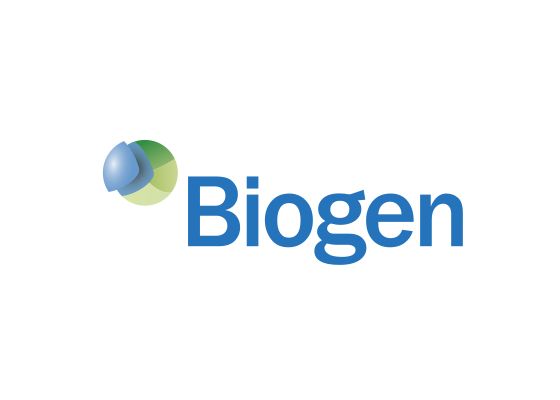
The Biogen logo features an abstract gradient symbol that transitions through blues and greens, representing the biotechnology company’s focus on neurological disease treatments including multiple sclerosis, spinal muscular atrophy, and Alzheimer’s therapies.
The Biogen identity employs a sophisticated color gradient spanning 25 distinct hex values from deep blacks (#010101) through blues and into luminous greens and pale cyans (#e7f2f8). This chromatic complexity feels unusual for pharmaceutical branding, which typically favors solid colors for reproduction consistency. The gradient approach suggests biological processes, neurological complexity, and the transformation from disease to health. The blue-to-green spectrum evokes both scientific authority and organic life, positioning Biogen at the intersection of rigorous research and biological hope.
The abstract symbol resembles a stylized neural pathway, synaptic connection, or cellular structure viewed through microscopy. This interpretation aligns perfectly with Biogen’s specialization in neurological and neurodegenerative conditions, where understanding brain chemistry and nerve function becomes crucial to therapeutic intervention. The flowing, organic form contrasts with the geometric hard edges common in pharmaceutical logos, suggesting the fluid, dynamic nature of biological systems rather than rigid chemical structures.
Biogen occupies a specific niche within biotechnology, focusing on difficult-to-treat neurological conditions where patient populations are smaller but therapeutic needs are urgent. This specialization allows premium pricing but requires sustained R&D investment and tolerance for clinical trial failures. The brand identity reflects this positioning, looking more like a biotech startup than a traditional pharmaceutical giant, which fits the company’s history as a pioneering biotechnology firm founded by scientists including Nobel laureates.
Meaning and Symbolism
- Blue-to-Green Gradient: Represents biological transformation and neurological complexity, transitioning from scientific authority (blues) through organic life processes (greens), suggesting the journey from disease to therapeutic intervention.
- Abstract Organic Form: Evokes neural pathways, synaptic connections, or cellular structures observed through microscopy, directly referencing Biogen’s focus on neurological and neurodegenerative disease treatment.
- Gradient Complexity (25 Hex Values): Suggests biological sophistication and the intricate chemical processes underlying brain function, differentiating Biogen from pharmaceutical firms using solid corporate colors.
- Flowing Curves: Conveys dynamic biological systems rather than rigid chemical structures, appropriate for a biotechnology company working at the frontier of neurological science where mechanisms remain partially understood.
Design and History
Biogen formed in 1978 in Geneva, Switzerland, founded by several prominent biochemists including Nobel laureates Walter Gilbert and Phillip Sharp alongside venture capitalists. The company pioneered recombinant DNA technology for therapeutic proteins, part of the first wave of biotechnology firms that included Genentech and Amgen. Biogen focused from the beginning on difficult neurological conditions, developing interferon beta-1a (Avonex) for multiple sclerosis, which received FDA approval in 1996 and became a blockbuster drug generating billions in revenue.
The company merged with IDEC Pharmaceuticals in 2003, temporarily becoming Biogen Idec before reverting to Biogen in 2015. This merger brought Rituxan, a cancer and autoimmune disease therapy, expanding the portfolio beyond pure neurology. The name change back to Biogen coincided with renewed focus on neurological conditions, including controversial investments in Alzheimer’s disease therapies. The company’s 2021 FDA approval for Aduhelm (aducanumab), an Alzheimer’s drug, sparked intense debate over clinical evidence and accelerated approval pathways, damaging Biogen’s reputation and stock price.
Biogen’s Cambridge, Massachusetts headquarters places it at the center of the Boston/Cambridge biotechnology cluster, surrounded by research universities, teaching hospitals, and hundreds of biotech startups and established firms. This ecosystem influences the company’s identity, which looks more startup-adjacent than the buttoned-up pharmaceutical aesthetic of Pfizer or Merck. The gradient logo and technology-forward positioning reflect Cambridge’s innovation culture, where scientific founders maintain influence and research breakthroughs define company narratives more than marketing polish.
Typography
The Biogen wordmark uses a clean, geometric sans-serif typeface with lowercase letters that create an approachable, contemporary feel distinct from traditional pharmaceutical typography. The letterforms feature uniform stroke weights and generous spacing, creating an open, modern appearance that aligns with biotechnology startup aesthetics rather than established pharmaceutical conservatism. The lowercase treatment feels democratic and forward-thinking, avoiding the capital-letter authority common in pharmaceutical branding. The “o” features a perfect circle, and the “g” uses a single-story form, both choices that contribute to the geometric simplicity and technology-oriented character of the mark.
FAQ
Q: What diseases does Biogen focus on treating?
A: Biogen specializes in neurological and neurodegenerative conditions including multiple sclerosis (MS), spinal muscular atrophy (SMA), Alzheimer’s disease, and ALS (amyotrophic lateral sclerosis), developing therapies like Avonex, Tecfidera, and Spinraza that address difficult-to-treat conditions with significant unmet medical needs.
Q: What is the controversy surrounding Biogen’s Alzheimer’s drug Aduhelm?
A: Biogen’s Aduhelm (aducanumab) received controversial FDA accelerated approval in 2021 despite mixed clinical trial results and a negative advisory committee recommendation, sparking debate over evidence standards, drug pricing ($56,000 annually initially), and Medicare coverage for treatments with uncertain efficacy.
Q: Why does the Biogen logo use a complex gradient instead of solid colors?
A: The 25-color gradient from blues through greens represents biological complexity, neurological processes, and the transformation from disease to health, distinguishing Biogen’s biotechnology identity from traditional pharmaceutical branding while evoking neural pathways and cellular structures central to the company’s research focus.
More logos with similar colors