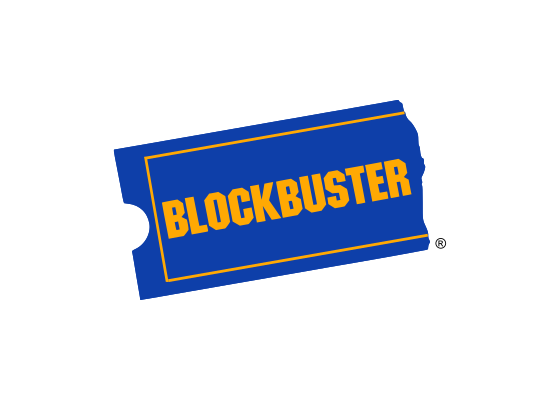
The Blockbuster logo represented an American home movie and video game rental provider that peaked in 2004 with 9,094 stores employing 84,300 people before filing for bankruptcy in 2010.
The abstract design features bold royal blue (#0e3fa9) and vibrant orange (#ffa903), creating one of the most recognizable retail identities of the 1990s and 2000s. The color combination suggested entertainment, excitement, and the Friday night ritual of video rental that became central to American leisure culture. The distinctive torn-ticket shape referenced cinema ticket stubs, connecting home video entertainment to theatrical movie experiences. The energetic orange and authoritative blue created high visibility across suburban strip malls where Blockbuster locations became neighborhood landmarks, while the bold execution ensured recognition on store signs, membership cards, and the blue-and-orange bags that consumers carried home.
Meaning and Symbolism
- Royal Blue: Represented entertainment, reliability, and the theatrical movie experience brought home.
- Vibrant Orange: Suggested excitement, energy, and the Friday night entertainment ritual.
- Torn-Ticket Shape: Referenced cinema admission tickets, connecting video rental to moviegoing tradition.
- Bold Contrast: Created visibility in retail environments and instant brand recognition.
Design and History
Blockbuster emerged during the home video revolution that transformed entertainment consumption in the 1980s and 1990s. The logo design needed to communicate both the excitement of cinematic entertainment and the convenience of home viewing, creating a visual bridge between movie theaters and living rooms. The blue-and-orange palette became so synonymous with video rental that the colors themselves evoked the brand even without accompanying text.
The company’s rapid international expansion throughout the 1990s required branding that translated across cultural contexts. The torn-ticket shape provided universal cinema association without requiring language-specific elements, while the bright colors created consistent visibility whether on American suburban storefronts or international locations from Canada to Australia to the United Kingdom. The logo appeared everywhere: exterior signage, interior displays, VHS tape security cases, DVD rental boxes, and the membership cards that millions carried in wallets.
At its 2004 peak, Blockbuster’s 9,094 stores made the logo ubiquitous across American residential neighborhoods and shopping districts. The blue-and-orange buildings became cultural landmarks, referenced in movies, television shows, and popular culture as symbols of weekend entertainment rituals. The brand represented not just movie rental but social experiences, from family movie nights to date night rentals to the disappointment of finding desired titles already checked out.
The company’s decline through the late 2000s, driven by competition from Netflix’s mail-order service, Redbox kiosks, and video-on-demand platforms, demonstrates how even powerful brand identity cannot overcome fundamental business model disruption. The 2010 bankruptcy filing marked the end of Blockbuster’s dominance, though the logo remains culturally recognizable as a symbol of the video rental era. The persistence of one final Blockbuster location in Bend, Oregon has ironically transformed the logo into nostalgia branding, appearing on merchandise celebrating the lost ritual of physical video rental.
Typography
The typeface employed bold, geometric letterforms with strong horizontal emphasis that created stability and impact. The all-caps treatment ensured maximum visibility on store signage visible from busy roads and parking lots. The letter spacing and proportions were optimized for readability at distance while the heavy weight ensured the name remained prominent even when the logo appeared at small scales on rental cases or membership cards.
FAQ
Q: Why did Blockbuster use blue and orange? A: The royal blue (#0e3fa9) and vibrant orange (#ffa903) combination created high visibility in retail environments while suggesting both the reliability of theatrical entertainment and the excitement of movie night, making the colors synonymous with video rental culture.
Q: What happened to Blockbuster? A: After peaking in 2004 with over 9,000 stores, Blockbuster declined due to competition from Netflix’s mail-order service, video-on-demand, and Redbox kiosks, ultimately filing for bankruptcy in 2010, with only one location remaining as of recent years.
Q: What does the Blockbuster logo shape represent? A: The torn-ticket shape referenced cinema admission tickets, visually connecting the home video rental experience to theatrical moviegoing traditions and reinforcing Blockbuster’s positioning as bringing the movie theater experience home.
More logos with similar colors