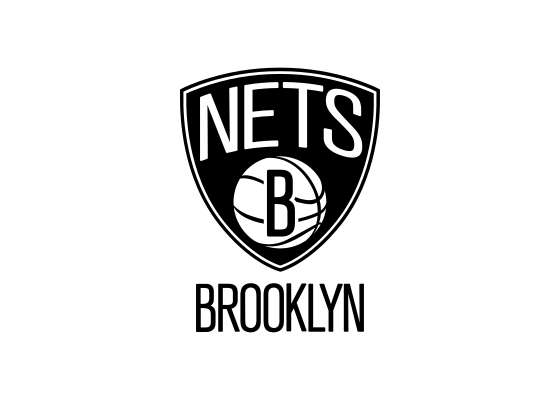
The Brooklyn Nets logo embraces minimalist sophistication with a monochromatic design that reflects the borough’s urban design culture. The black and white identity represents a departure from traditional sports branding, favoring restraint and contemporary style over vibrant team colors.
The Nets logo consists of a simple basketball icon positioned above the team name, rendered in a clean geometric typeface. This stripped-down approach creates an instantly modern identity that feels more aligned with fashion and lifestyle brands than conventional sports teams. The shield-like composition suggests strength and protection while maintaining sleek simplicity. By eliminating color from their primary mark, the Nets created a versatile identity that works seamlessly across Brooklyn’s diverse urban landscape.
The minimalist aesthetic was a deliberate strategy when the team relocated from New Jersey to Brooklyn in 2012. Rather than compete with the visual noise of traditional sports logos, the Nets positioned themselves as basketball’s most design-forward franchise. This approach reflects Brooklyn’s creative culture and appeals to fans who value style and sophistication alongside athletic performance. The logo’s simplicity also allows for more creative applications, from premium apparel collaborations to architectural integration at Barclays Center.
Meaning and Symbolism
- Monochromatic palette represents Brooklyn’s urban sophistication and creative design culture
- Basketball icon maintains connection to the sport while serving as a versatile graphic element
- Shield composition suggests strength, protection, and team unity
- Geometric typography reflects modern Brooklyn’s architectural aesthetic and design-forward identity
- Minimalist approach distinguishes the team from conventional sports branding and appeals to style-conscious fans
Design and History
The Brooklyn Nets logo was created as part of the franchise’s 2012 rebranding when the team moved from New Jersey. Designer Jay-Z, then a minority owner, influenced the direction toward a more sophisticated, lifestyle-oriented identity that would resonate with Brooklyn’s creative community. The black and white color scheme was revolutionary in professional basketball, where teams traditionally rely on vibrant color palettes for recognition and merchandise sales.
This bold simplification proved controversial initially but has since influenced broader trends in sports design toward cleaner, more refined aesthetics. The logo works exceptionally well in premium retail environments and high-fashion collaborations, expanding the team’s appeal beyond traditional sports fans. The design demonstrates that effective sports branding doesn’t require aggressive colors or complex imagery when the concept is strong and the execution is confident.
Typography
The Nets wordmark employs a custom geometric sans-serif typeface with sharp angles and clean lines. The letterforms have a technical precision that feels contemporary and architectural, appropriate for a Brooklyn-based team. The bold weight ensures visibility while maintaining the logo’s overall refinement, and the letter spacing creates a measured, confident rhythm.
FAQ
Q: Why did the Nets choose only black and white for their logo? A: The monochromatic palette was a strategic decision to differentiate the team and reflect Brooklyn’s sophisticated design culture. It positions the Nets as a lifestyle brand rather than a traditional sports franchise.
Q: Who designed the Brooklyn Nets logo? A: The rebrand was developed with input from Jay-Z, who was a minority owner at the time, along with professional design teams who executed the minimalist vision that aligned with Brooklyn’s creative identity.
Q: Does the logo work without traditional team colors? A: The black and white approach has proven highly successful, creating a distinctive identity that stands out in the league while offering versatility for premium merchandise and fashion collaborations that extend beyond typical sports branding.