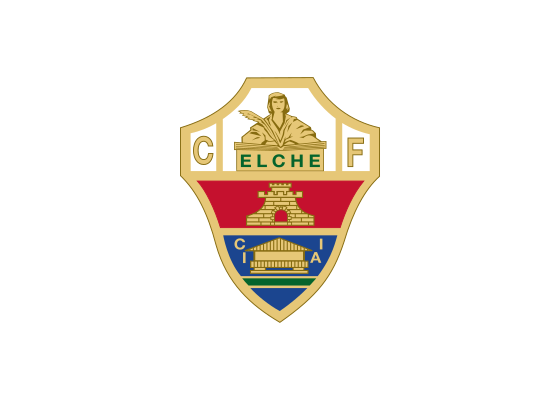
The Elche CF logo features a shield design combining the club’s traditional green and white striped colors with regional Valencian elements and the distinctive palm tree that represents the city’s UNESCO World Heritage palm grove. This badge balances local identity with competitive football heritage.
The badge uses a traditional shield format incorporating green and white elements that reference the club’s iconic striped kit, one of Spanish football’s most distinctive color combinations. The design integrates symbols representing Elche’s unique character, including the palm tree that connects to the city’s famous Palmeral, the largest palm grove in Europe. The shield structure follows classic Spanish football aesthetics while the specific green shade and regional symbols create clear differentiation from other clubs.
Founded in 1923 from a merger of Elche’s various clubs, the team represents a city in Alicante province known for its agricultural heritage and historic palm groves. The badge design reflects this blend of football tradition and regional cultural identity, communicating both competitive aspirations and deep local connections that resonate with Valencian supporters.
Meaning and Symbolism
- Green and white: The club’s traditional colors, creating one of Spanish football’s most distinctive striped kits
- Palm tree symbol: Represents Elche’s UNESCO World Heritage palm grove, the city’s defining characteristic
- Shield format: Traditional football crest structure conveying heritage and regional pride
- Valencian elements: Connect the club to the broader Valencian Community identity
- Agricultural roots: Reflects Elche’s character as an agricultural city in Alicante province
Design and History
Elche’s history includes remarkable highs and challenging lows. The club reached La Liga in 1959 and finished fifth in 1963-64, competed in the 1969 Copa del Rey final, and played consistently at higher levels before becoming the first and only club relegated from La Liga due to unpaid tax debts in 2014-15. This dramatic fall was followed by remarkable resilience, with Elche returning to La Liga by 2020-21 after promotions through Segunda División.
The badge design has maintained the green and white colors and palm tree imagery that define Elche’s visual identity, creating continuity through the club’s competitive fluctuations. The 33,732-capacity Estadio Manuel Martínez Valero provides a substantial home that reflects both the club’s ambitions and the community’s passionate support. The palm tree symbol creates unique recognition in Spanish football, differentiating Elche through regional character rather than generic football imagery.
Typography
Elche’s wordmark uses traditional letterforms that complement the heraldic badge design. The typography reflects the club’s Valencian heritage and agricultural city character, ensuring clear communication while maintaining the unpretentious aesthetic appropriate for a regional Spanish club with strong community connections.
FAQ
Q: What makes Elche’s green and white kit distinctive? A: Elche’s green and white striped kit is one of Spanish football’s most recognizable, with the specific shade of green creating immediate differentiation. This color combination has become synonymous with the club and creates powerful visual impact in La Liga.
Q: Why was Elche relegated due to tax debts? A: In 2014-15, Elche became the first and only La Liga club relegated specifically for unpaid tax debts rather than on-field performance. This administrative relegation represented a low point in the club’s history, though Elche’s subsequent return to La Liga by 2020-21 demonstrated remarkable institutional resilience.
Q: What does the palm tree in Elche’s logo represent? A: The palm tree references Elche’s Palmeral, a UNESCO World Heritage site and the largest palm grove in Europe. This symbol connects the football club directly to the city’s defining characteristic and agricultural heritage, creating unique regional identity in Spanish football.
More logos with similar colors