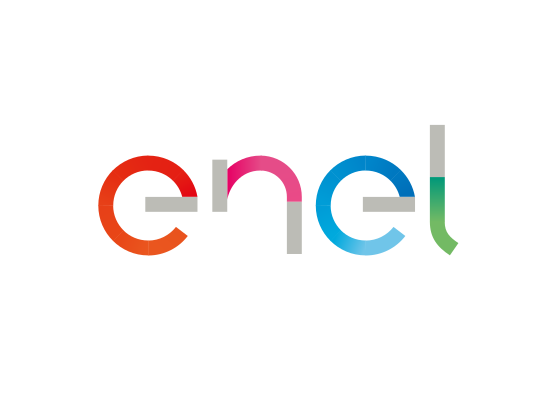
The Enel logo features a vibrant, multi-colored circular pattern that represents the diverse energy sources powering modern life, from traditional electricity to renewable solutions.
Wolff Olins’ 2016 redesign transformed Enel’s identity from a conservative utility mark into a dynamic expression of energy diversity and innovation. The logo uses a radiating pattern of colored segments arranged in a circular formation, suggesting both a sun and an electrical circuit. The palette spans blues, greens, oranges, and reds, each color representing different energy sources and business lines within Enel’s portfolio. This chromatic diversity signals the company’s transition from a traditional state-owned electric utility into a multinational energy conglomerate embracing renewable power, smart grids, and sustainable technology.
The circular composition creates movement and energy while maintaining enough structure for consistent application across Enel’s global operations. The mark needed to work in markets from Italy to Latin America, representing traditional power generation alongside solar, wind, and hydroelectric assets. Unlike energy companies that rely on literal imagery like lightning bolts or oil drops, Enel’s abstract pattern allows the brand to evolve as energy markets shift toward renewables and distributed generation.
Meaning and Symbolism
- Circular Radiating Pattern: Suggests energy flowing outward from a central source while evoking both sunlight and electrical networks that power modern society.
- Multi-Color Palette: Each color represents different energy sources, from fossil fuels to renewables, acknowledging the complexity of energy transition without greenwashing current operations.
- Blue Dominance: The cool blue tones project trust, reliability, and technical competence expected from a major utility serving millions of customers.
- Dynamic Segments: The varied shapes and sizes suggest innovation and adaptability rather than monolithic infrastructure, positioning Enel for energy sector evolution.
Design and History
The Italian government founded Enel (Ente nazionale per l’energia elettrica) in 1962 to consolidate and nationalize Italy’s fragmented electricity industry. For decades, Enel operated as a traditional state monopoly focused on power generation and distribution. Privatization began in 1999, transforming Enel into a publicly traded multinational operating in over 30 countries across Europe, Latin America, and North America.
By 2016, Enel had evolved far beyond its origins as a conventional utility. The company had become a major investor in renewable energy, operating significant wind and solar capacity alongside traditional power plants. This transformation required a visual identity that could represent Enel’s expanding portfolio without being tied to any single energy source. Wolff Olins developed a flexible system where the colored segments could be reconfigured and emphasized differently across business units while maintaining brand coherence.
The rebrand coincided with Enel’s commitment to carbon neutrality and increased renewable energy investment. The vibrant, optimistic identity differentiated Enel from competitors still projecting industrial conservatism. The multi-colored approach allowed honest acknowledgment that energy transition takes time while signaling commitment to sustainable future. The identity works across everything from power plant signage to mobile apps where customers monitor solar panel production.
Typography
The Enel wordmark uses a clean, geometric sans-serif typeface with generous letter spacing and consistent stroke weights. The lowercase treatment feels contemporary and approachable, a deliberate contrast to the all-caps industrial typography common in the energy sector. The letterforms have subtle rounded corners that echo the circular motif in the symbol, creating visual harmony between icon and type. The typography appears in various colors from the brand palette depending on context, maintaining flexibility while ensuring the Enel name remains prominent and legible.
FAQ
Q: What do the different colors in the Enel logo represent?
A: The color palette represents Enel’s diverse energy portfolio including traditional power generation, renewable sources like solar and wind, distribution networks, and retail services. Rather than assigning specific meanings to individual colors, the variety acknowledges the complexity of modern energy systems and Enel’s presence across multiple segments.
Q: How does Enel balance traditional and renewable energy in its branding?
A: The 2016 identity deliberately avoids greenwashing by using a diverse color palette that acknowledges Enel operates both conventional power plants and renewable installations. This honest approach recognizes that energy transition requires time while signaling commitment to increasing renewable capacity. The dynamic pattern suggests evolution rather than instant transformation.
Q: Why did Enel move away from traditional utility branding?
A: As Enel expanded internationally and invested heavily in renewables, the old identity felt constraining and dated. Energy markets were evolving beyond centralized fossil fuel generation toward distributed renewables and smart grids. The vibrant 2016 identity positions Enel as an innovation leader rather than a legacy utility, helping attract talent and customers in competitive markets.
More logos with similar colors