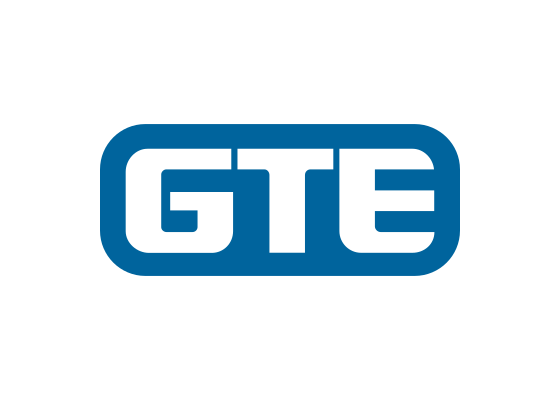
The GTE logo featured a distinctive blue oval enclosing white letterforms, symbolizing the company’s role as America’s largest independent telephone system during the Bell monopoly era before its 2000 acquisition by Bell Atlantic.
Meaning and Symbolism
- The blue color palette conveyed trust, reliability, and the corporate stability essential for a telecommunications infrastructure provider
- The oval container suggested completeness, connection, and the unifying nature of telephone networks
- White letterforms ensured clarity and legibility, critical for a utilitarian service brand serving millions of American homes
- The clean geometric design reflected mid-century corporate modernism appropriate for a technology infrastructure company
- The enclosed form suggested protection and the contained reliability of landline telephone service
History and Evolution
GTE Corporation’s roots trace to the Associated Telephone Utilities Company founded in 1926, which reorganized as General Telephone in 1934 after bankruptcy during the Great Depression. The company served as the largest independent telephone provider in the United States throughout the Bell System era when AT&T’s 22 Bell Operating Companies dominated most markets. GTE provided local telephone service through various operating companies, offering an alternative in regions outside Bell’s franchise territories.
In 1991, GTE acquired Continental Telephone, the third-largest independent carrier, further consolidating its market position. The company owned Automatic Electric, a telephone equipment manufacturer similar to Western Electric, and diversified into Sylvania Lighting, its only major non-communications business. This diversification gave rise to the “General Telephone & Electronics” name, though the company was universally known by its GTE abbreviation.
The telecommunications landscape transformed dramatically with the 1984 breakup of the Bell System and subsequent deregulation. GTE ultimately merged with Bell Atlantic in 2000, with the combined entity adopting the Verizon name. This merger reunited independent telephone territories with former Bell operations, creating one of America’s largest telecommunications providers and ending GTE’s identity as the independent alternative.
Typography and Design
The GTE letterforms used a modern sans-serif typeface that communicated technological capability and forward-thinking corporate identity. The typography style reflected the optimistic mid-century belief in technology’s ability to connect communities and improve daily life. The oval frame created a self-contained logo that worked effectively across diverse applications from telephone directories to service vehicles, maintaining consistent brand presence throughout GTE’s vast service territories.
Frequently Asked Questions
Who designed the GTE logo? The oval logo was developed during GTE’s corporate identity programs in the mid-to-late 20th century, likely by a major corporate design firm, though specific credits are not widely documented.
When was the GTE logo last updated? The blue oval design remained relatively consistent through the 1990s until the company was acquired by Bell Atlantic in 2000, forming Verizon.
What do the colors in the GTE logo represent? The blue conveyed reliability and trust, essential qualities for a telecommunications infrastructure provider serving as the primary independent alternative to the Bell System monopoly.
More logos with similar colors