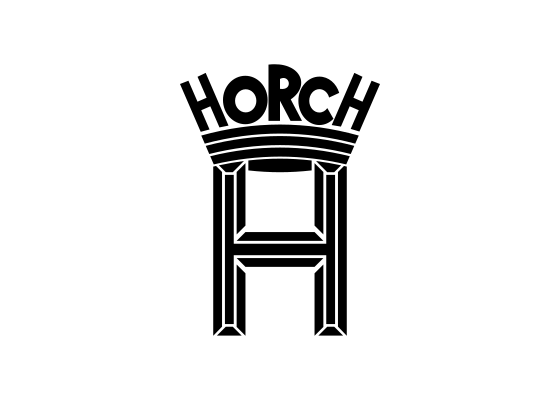
The Horch logo represents a historic German luxury automobile manufacturer founded by August Horch in the early 20th century, now a predecessor to Audi.
The Horch logo features the company name in distinctive typography, often accompanied by an abstract or heraldic symbol reflecting the brand’s pre-war luxury positioning. The mark may incorporate elegant letterforms with refined serifs or stylized script appropriate to early 20th-century German automotive branding. Design elements might include emblematic symbols suggesting engineering excellence, luxury craftsmanship, or German manufacturing heritage. The composition follows conventions of pre-war European automobile marques, emphasizing prestige and technical sophistication through classical design language.
Meaning and Symbolism
- Founder’s Name: Horch carries August Horch’s surname, establishing personal accountability and engineering pedigree in German automotive tradition.
- Classical Design: The refined, heritage-focused aesthetic reflects the brand’s luxury positioning in early automotive history.
- German Engineering: Visual elements emphasize precision, craftsmanship, and technical excellence associated with German manufacturing.
- Historical Prestige: The mark references an era when Horch competed with brands like Mercedes-Benz in the luxury automotive segment.
Design and History
August Horch founded Horch & Cie in Germany at the beginning of the 20th century, establishing the marque as a manufacturer of luxury automobiles. After a disagreement with his partners, Horch left the company bearing his name and founded Audi in 1910, with “Audi” being the Latin translation of his German surname (both meaning “listen” or “hear”).
In 1932, Horch became one of four brands (along with DKW, Wanderer, and Audi) that merged to form Auto Union AG during the economic pressures of the Great Depression. This merger created the four-ring symbol now used by Audi, with each ring representing one of the constituent brands.
The Horch brand focused on luxury vehicles, producing sophisticated automobiles that competed at the highest end of the German market. The logo and brand identity reflected this premium positioning through refined design choices emphasizing heritage, craftsmanship, and engineering excellence.
Auto Union itself later merged with NSU Motorenwerke in 1969 to form the modern Audi company, making Horch a direct predecessor to one of Germany’s major luxury automobile manufacturers. While Horch production ceased decades ago, reports suggest plans for brand resurrection, indicating the continuing value of the historic nameplate.
The Horch legacy lives on through Audi’s positioning and the four-ring logo representing the 1932 Auto Union merger, with each ring honoring one of the founding brands’ contributions to German automotive history.
Typography
The Horch logo employs typography appropriate to early 20th-century German luxury automobile branding, likely featuring refined letterforms with classical proportions. Whether serif or stylized script, the typeface emphasizes elegance, craftsmanship, and prestige appropriate to the brand’s luxury market positioning. The letterforms balance readability with decorative qualities that signal premium positioning and engineering heritage, following conventions established by European luxury marques in the pre-war era.
FAQ
Q: Who founded Horch?
A: August Horch founded Horch & Cie in Germany at the beginning of the 20th century. After leaving the company, he founded Audi in 1910, with “Audi” being the Latin translation of his surname.
Q: What happened to Horch?
A: In 1932, Horch merged with DKW, Wanderer, and Audi to form Auto Union AG, creating the four-ring symbol now used by Audi. Auto Union later merged with NSU in 1969 to form the modern Audi company.
Q: Is Horch related to Audi?
A: Yes, Horch is a direct predecessor to Audi. August Horch founded both companies, and Horch was one of four brands that merged to create Auto Union, which eventually became Audi.