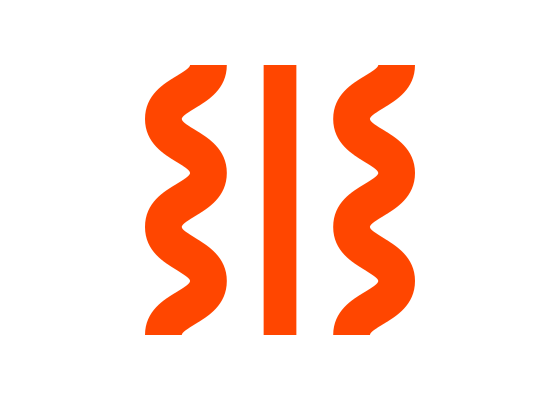
The Kelp logo features a vibrant orange wave-like abstract symbol that reflects the organic, flowing nature of information organization while suggesting the seaweed namesake that passively filters and processes its environment.
Based in New York City, Kelp builds document organization software that automatically surfaces relevant files using contextual signals like meeting schedules and edit timing, eliminating manual tagging and folder systems.
Meaning and Symbolism
- The bright orange conveys energy, innovation, and the attention-grabbing nature of a tool designed to surface forgotten documents
- The wave or flowing form suggests the natural, passive organization that Kelp provides without user intervention
- The organic shape references the seaweed namesake, which filters nutrients from water just as the software filters relevant documents from information overload
- The single-color simplicity reflects the product philosophy of reducing complexity rather than adding features
- The abstract symbol works effectively in small app icons and browser extensions where literal imagery would lose detail
History and Evolution
Kelp emerged from the frustration of knowledge workers drowning in documents scattered across cloud storage, email attachments, and collaboration platforms. Traditional solutions required users to adopt new organizational systems, spend hours creating folder structures, or remember to tag files with metadata. Kelp took a different approach by using passive signals to infer document relevance. If a file was edited during a meeting, Kelp assumes it might be relevant when that meeting participant messages you later. This ambient intelligence approach removes the burden of manual organization.
The product philosophy centers on meeting users where they are rather than forcing behavioral change. Kelp integrates with existing tools and workflows, observing patterns to make intelligent suggestions rather than requiring migration to a new platform. This approach appeals to teams experiencing tool fatigue from the endless parade of productivity software that promises transformation but demands adoption effort.
Typography and Design
The Kelp wordmark typically employs clean, modern sans-serif typography that communicates straightforward utility without unnecessary ornamentation. The lowercase treatment keeps the brand approachable and unpretentious, fitting for a tool designed to work quietly in the background rather than demand attention. The typography’s simplicity allows the distinctive orange wave symbol to serve as the primary brand identifier.
The bright orange creates strong contrast in digital interfaces, ensuring the Kelp icon remains visible in crowded browser toolbars or app launchers. The color choice differentiates Kelp from productivity software that typically uses blue or purple, helping the brand stand out in screenshots, marketing materials, and product comparison charts. The wave form’s smooth curves contrast with the geometric letterforms, creating visual interest while maintaining professional polish.
Frequently Asked Questions
What does Kelp software do? Kelp is a document organization tool that automatically surfaces relevant files using contextual signals like meeting schedules and edit timing, eliminating the need for manual tagging or folder systems.
Where is Kelp based? Kelp operates from New York City, serving knowledge workers who struggle with information overload across cloud storage, email, and collaboration platforms.
What does the orange wave in the Kelp logo represent? The flowing orange form references both seaweed that passively filters its environment and the organic, automatic nature of Kelp’s document organization, which works without requiring user intervention or system changes.