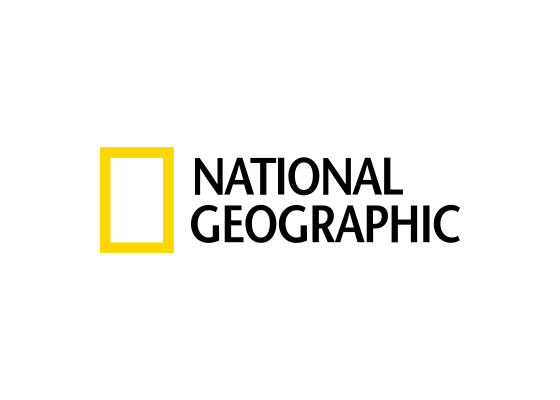
The National Geographic yellow rectangle is one of the world’s most recognizable design elements, created by legendary firm Chermayeff & Geismar & Haviv to frame the magazine’s iconic photography. Since 1888, this distinctive golden border has symbolized exploration, discovery, and the magazine’s commitment to revealing the wonders of science, geography, history, and world culture.
Meaning and Symbolism
- Iconic yellow rectangle represents a window or portal into distant worlds, cultures, and natural wonders captured through photography
- Gold color symbolizes excellence, prestige, and the premium quality of National Geographic’s editorial content and imagery
- Horizontal format reflects the magazine’s signature square-bound glossy shape and landscape-oriented photographic spreads
- Bold simplicity ensures instant recognition across formats, from magazine covers to television programming and digital platforms
- Frame concept positions National Geographic as the authoritative lens through which readers view the world
History and Evolution
National Geographic magazine launched in October 1888, just nine months after the founding of the National Geographic Society. Initially published as a scholarly journal, the magazine transformed in the early 20th century into the photographically driven publication known worldwide today. The shift toward dramatic imagery and accessible storytelling made National Geographic one of the most influential media brands in history.
The famous yellow rectangular border emerged as the magazine’s signature design element, created to frame and showcase the publication’s groundbreaking photography. Chermayeff & Geismar & Haviv, the legendary New York design firm, refined and standardized the yellow rectangle system that became synonymous with the National Geographic brand across all media platforms.
The magazine’s thick, square-bound glossy format and extensive use of full-bleed photography set industry standards for editorial design. The yellow border became so iconic that it transcended print, appearing on television programming when National Geographic expanded into cable television and documentary production. In 2019, The Walt Disney Company acquired controlling interest in National Geographic, though the yellow rectangle identity remained untouched, testament to its enduring power.
Throughout its evolution from scholarly journal to multimedia empire, the yellow rectangle has maintained its position as one of the world’s most recognized visual symbols, representing over 130 years of exploration, discovery, and storytelling excellence.
Typography and Design
The National Geographic wordmark typically appears in a classic serif typeface that conveys authority, tradition, and journalistic credibility. The typography complements the bold simplicity of the yellow rectangle, ensuring the brand communicates both timeless quality and contemporary relevance across print, broadcast, and digital media.
Frequently Asked Questions
Who designed the National Geographic logo? The iconic yellow rectangle brand system was developed and refined by Chermayeff & Geismar & Haviv, the prestigious New York design firm behind many of the world’s most enduring corporate identities.
When was the National Geographic logo last updated? While the magazine has evolved since 1888, the yellow rectangular border has remained remarkably consistent, with refinements focused on ensuring optimal reproduction across expanding media platforms from print to television to digital.
What do the colors in the National Geographic logo represent? The distinctive gold yellow symbolizes excellence, discovery, and enlightenment. It also functions as a visual frame, positioning National Geographic as the authoritative lens through which audiences experience the world’s wonders.