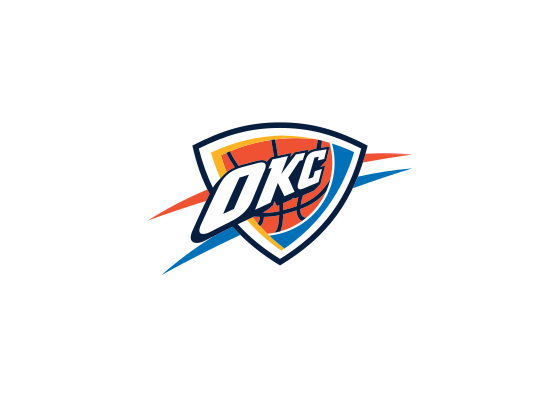
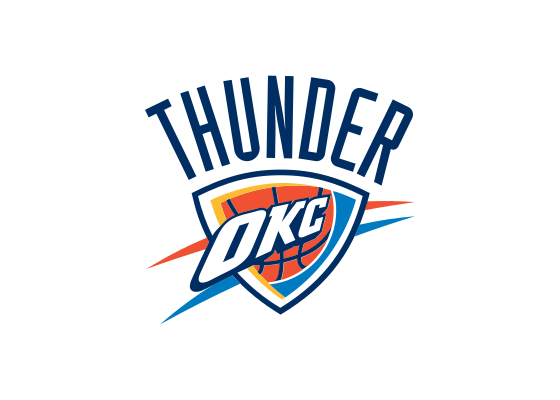
The Oklahoma City Thunder logo captures meteorological power through bold geometric design and a vibrant color palette. Thunder blue, sunset orange, and navy create a distinctive identity that reflects Oklahoma’s dramatic weather patterns and wide-open prairie skies.
The Thunder logo features an abstract shield shape with dynamic angular elements that suggest lightning strikes and storm energy. The design employs layered geometric forms that create depth and movement, evoking the powerful weather systems that regularly sweep across the Great Plains. The color palette combines deep blues with energetic orange and yellow accents, representing both stormy skies and dramatic Oklahoma sunsets. The wordmark integrates seamlessly with the shield, creating a complete identity system that balances meteorological imagery with contemporary athletic design.
The logo successfully translates natural phenomena into powerful sports symbolism. Thunder represents sudden, overwhelming force, making it ideal for athletic competition. The geometric execution feels modern and versatile, working effectively across digital and physical applications. The design honors Oklahoma’s geography and climate, where massive thunderstorms and dramatic weather create spectacular displays of natural power. This connection to place gives the logo authenticity and meaning beyond generic athletic symbolism, creating identity that resonates locally while appealing universally.
Meaning and Symbolism
- Thunder imagery represents sudden power, overwhelming force, and the dramatic weather of Oklahoma’s Great Plains
- Shield composition suggests protection, strength, team unity, and defensive solidity
- Thunder blue evokes stormy skies while creating distinctive, ownable color identity
- Sunset orange captures Oklahoma’s dramatic prairie sunsets and adds energetic warmth
- Angular geometry suggests lightning strikes, dynamic energy, and explosive athletic power
Design and History
The Thunder identity was created in 2008 when the franchise relocated from Seattle to Oklahoma City. The design needed to establish completely new identity distinct from the SuperSonics heritage, while connecting authentically to Oklahoma’s culture and geography. The thunder and weather theme proved perfect, honoring the state’s dramatic meteorology while providing powerful athletic symbolism. The logo helped establish the franchise’s independence and Oklahoma City’s credentials as an NBA market.
The design has undergone refinements over the years, with updates in 2021 that simplified and modernized elements while maintaining core visual identity. These evolutions demonstrate how contemporary logos can be improved without abandoning brand equity. The Thunder logo successfully launched a new franchise, creating recognition and loyalty in a market new to professional basketball. The design shows how place-based symbolism creates authentic connection when concept and execution align with genuine cultural and geographic characteristics.
Typography
The Thunder wordmark employs a bold, angular typeface with sharp edges that echo the logo’s geometric lightning and storm imagery. The letterforms have dynamic energy with subtle italicization suggesting forward motion and aggressive play. The typography reinforces the meteorological theme while maintaining excellent legibility and contemporary athletic character.
FAQ
Q: When was the Thunder logo created? A: The logo was designed in 2008 when the franchise relocated from Seattle to Oklahoma City, establishing a completely new identity distinct from the SuperSonics heritage.
Q: What do the Thunder colors represent? A: Thunder blue represents stormy skies, sunset orange captures Oklahoma’s dramatic prairie sunsets, and navy adds depth and sophistication. Together they create a palette that reflects Oklahoma’s distinctive weather and landscape.
Q: Why was “Thunder” chosen as the team name? A: Thunder references Oklahoma’s dramatic weather patterns and powerful thunderstorms that regularly sweep across the Great Plains. The name provides strong athletic symbolism while connecting authentically to the state’s geography and climate.
More logos with similar colors