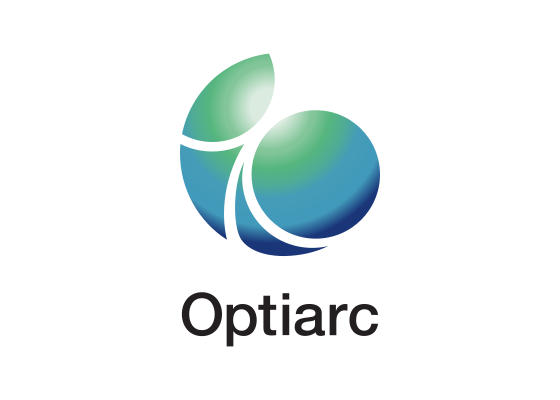
The Optiarc logo features flowing gradient curves in blue and green tones, representing the optical disc drive brand that evolved from a Sony-NEC joint venture in 2006 to its current ownership by Vinpower Digital since 2017.
Meaning and Symbolism
- Blue gradient represents optical technology, precision, and the digital data storage industry’s technical sophistication
- Green tones suggest innovation, evolution, and the transition from optical media to solid-state storage solutions
- Flowing curves evoke the circular shape of optical discs and the smooth rotation of CD/DVD/Blu-ray drives
- Gradient progression symbolizes the light refraction and laser technology fundamental to optical disc reading and writing
- Multiple color layers reflect the multi-layered structure of modern optical media formats like dual-layer DVDs and Blu-ray discs
History and Evolution
Optiarc was established on April 3, 2006, as Sony NEC Optiarc, a joint venture between Sony Corporation and NEC Corporation to manufacture optical disc drives for the OEM desktop and notebook PC markets. The partnership combined Sony’s consumer electronics expertise with NEC’s semiconductor and storage technology, creating a formidable competitor in the DVD and Blu-ray drive market during the format’s peak years.
On September 11, 2008, Sony announced it would acquire NEC’s 45% stake, making Optiarc a wholly-owned Sony subsidiary renamed Sony Optiarc, effective December 5, 2008. This consolidation reflected Sony’s commitment to Blu-ray technology as the PlayStation 3 drove demand for high-capacity optical storage. However, as digital downloads and streaming began displacing physical media in the early 2010s, the optical drive market contracted rapidly.
In March 2013, Sony closed its Optiarc division, laying off approximately 400 employees globally as the company exited the standalone optical drive business. The brand remained dormant until 2017, when Vinpower Digital, a U.S.-based company specializing in optical disc and media duplicators for commercial markets, acquired the rights to the Optiarc brand and product line. Under Vinpower ownership, Optiarc has continued serving niche markets requiring optical storage, including archival, medical imaging, and professional duplication applications. Vinpower also owns the PioData brand, serving similar markets.
Typography and Design
The Optiarc wordmark uses a clean, modern sans-serif typeface that conveys technical precision and contemporary design values. The lowercase treatment feels accessible while maintaining professional credibility for B2B and OEM markets. The multi-color gradient logo, featuring blues, teals, and greens, creates a distinctive visual identity that stands out in the crowded electronics component market. The flowing curves and color transitions suggest movement, light, and the optical processes at the heart of the technology. Under Vinpower Digital’s ownership, the design has been adapted for both optical disc drives and expanding solid-state storage products, maintaining brand recognition while evolving with changing storage technologies.
Frequently Asked Questions
Who designed the Optiarc logo? The original Optiarc logo was developed by Sony and NEC design teams in 2006 during the joint venture’s formation. The flowing gradient design reflected both companies’ commitment to optical technology leadership during the DVD and Blu-ray era.
When was the Optiarc logo last updated? The core Optiarc visual identity has remained consistent since its 2006 creation, though Vinpower Digital has adapted the brand guidelines since acquiring the trademark in 2017 to accommodate expanded product lines including solid-state storage solutions alongside traditional optical drives.
What do the colors in the Optiarc logo represent? The blue tones represent optical technology, precision engineering, and digital innovation, while green suggests environmental consciousness and technological evolution. The gradient progression symbolizes the light refraction and laser technology essential to optical disc reading and writing, creating a visual connection to the product’s core functionality.
More logos with similar colors