Parade is a direct-to-consumer underwear company founded in 2019 by Cami Téllez, creating sustainable and size-inclusive undergarments from recycled materials and positioning itself as the anti-Victoria’s Secret for Gen Z consumers.
Meaning and Symbolism
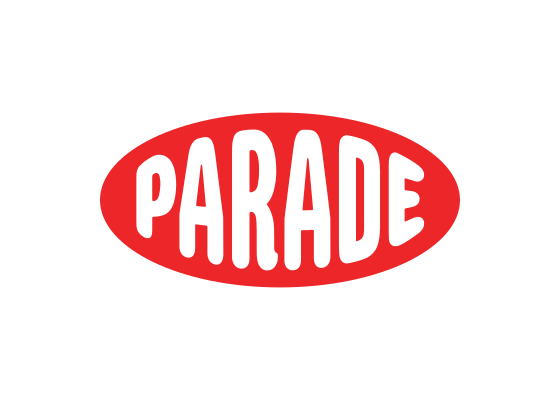
- The bold red color (#ec2629) conveys confidence, empowerment, and the brand’s mission to celebrate bodies without shame
- The oval badge shape evokes vintage americana and nostalgic quality marks, creating retro appeal for young consumers
- White (#ffffff) provides clean contrast and reflects the brand’s transparency about sustainability practices
- Red symbolizes passion and breaking taboos around discussing underwear and bodies openly
- The uppercase sans-serif typography suggests accessibility and democratic fashion rather than exclusive luxury
History and Evolution
Cami Téllez founded Parade at age 22 while still attending Columbia University, launching the brand in October 2019 with a mission to disrupt an underwear industry she felt was outdated, environmentally harmful, and exclusionary. Parade differentiated itself by manufacturing undergarments from recycled fabrics and deadstock materials, offering sizes XS through 3XL at accessible price points around $9-12 per piece, and marketing directly to Gen Z through social media rather than traditional retail channels. The brand’s “Everybody” campaign featured diverse body types and celebrated self-expression over conventional beauty standards.
Parade grew rapidly through Instagram and TikTok, generating a passionate community and celebrity endorsements from figures like Dua Lipa and Bella Hadid. The company raised $8 million in Series A funding in 2021 led by Greycroft, followed by additional rounds that brought total funding to over $50 million. Parade expanded beyond basic underwear into loungewear, sleepwear, and limited-edition collaborations while maintaining its sustainability messaging. However, the company faced challenges including supply chain disruptions and broader difficulties in the DTC apparel market. Despite headwinds, Parade has sold millions of pairs of underwear and established itself as a digitally native brand speaking authentically to younger consumers seeking both sustainable products and inclusive representation in intimate apparel.
Typography and Design
The Parade logo features bold, uppercase sans-serif lettering contained within an oval badge, creating a unified mark that references vintage quality seals and retro brand emblems. The typography uses thick, confident strokes that ensure legibility at small sizes on garment tags and social media profile pictures. The geometric uniformity of the letterforms suggests modern manufacturing and systematic sizing, reinforcing Parade’s positioning as a contemporary brand with traditional quality values.
The red and white color scheme (#ec2629 and #ffffff) creates maximum contrast and visual impact, essential for standing out in crowded social media feeds where Parade competes for attention. The badge format allows the logo to function as both a full lockup and a compact icon, appearing on everything from waistbands to shipping boxes. The oval container creates softness compared to rectangular badges, subtly reinforcing the intimate, body-positive nature of the product category while maintaining enough structure to convey professionalism and reliable quality.
Frequently Asked Questions
Who designed the Parade logo? Parade’s brand identity was developed at the company’s 2019 founding, though specific designer credits have not been widely publicized. The design reflects Gen Z aesthetic preferences for retro-modern combinations.
When was the Parade logo last updated? The logo has remained consistent since Parade’s 2019 launch, providing brand stability as the company expanded its product offerings and community.
What does the red color in the Parade logo represent? The bold red conveys confidence, empowerment, and passion, aligning with Parade’s mission to remove shame from conversations about bodies and underwear while celebrating self-expression and inclusivity.
More logos with similar colors