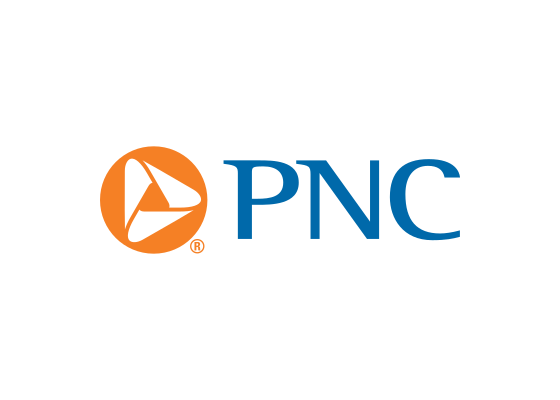
The PNC logo features a geometric symbol combining blue (#0069aa) and orange (#f58025) elements in an abstract form that suggests forward movement, growth, and the intersection of traditional banking with modern innovation.
The mark’s most distinctive element is the stylized arrow or chevron shape created by the orange triangular form overlaying the blue foundation. This dynamic geometry conveys progress, upward trajectory, and the bank’s commitment to customer financial advancement. The two-color system balances trust (blue) with energy (orange), creating visual warmth unusual in banking brands dominated by blue-only palettes.
The accompanying “PNC” acronym appears in clean sans-serif capitals, maintaining professional credibility. The logo’s compact square proportion works efficiently across branch signage, ATM screens, mobile banking apps, and debit cards. The abstract symbol avoids literal banking imagery, allowing flexible interpretation as growth, partnership, or innovation.
Meaning and Symbolism
- Upward arrow shape: Suggests growth, progress, and helping customers achieve financial advancement
- Blue foundation: Conveys trust, stability, and the security of a major U.S. banking institution
- Orange accent: Adds energy, optimism, and approachability to differentiate from cold blue-only competitors
- Geometric abstraction: Represents modern banking innovation and the intersection of technology with traditional financial services
Design and History
PNC traces its origins to Pittsburgh National Corporation, formed through the 1983 merger of Pittsburgh National Bank and Provident National Corporation. The three-letter acronym emerged from this corporate lineage, though “PNC” now functions as the standalone brand name. The current logo reflects the bank’s evolution from regional Pittsburgh institution to national player through strategic acquisitions.
The blue-and-orange identity balances regional heritage with national ambitions. While headquartered in Pittsburgh, PNC expanded through major acquisitions including National City Corporation (2008) and RBC Bank USA (2012), growing to operate in 27 states. The logo needed to feel approachable for retail customers while maintaining credibility for corporate clients, treasury management, and wealth management services.
The geometric symbol’s forward-moving energy positions PNC as an innovative competitor to larger national banks like JPMorgan Chase and Bank of America. The orange element differentiates the brand visually in a sea of blue financial services marks.
Typography
The PNC acronym employs a clean, modern sans-serif with consistent stroke weights and generous letter spacing. The capitals create authoritative presence while maintaining accessibility. The letterforms feature subtle geometric qualities that complement the symbol’s angular construction, creating cohesive brand system appropriate for a major regional bank.
FAQ
Q: What does PNC stand for?
A: PNC originally stood for Pittsburgh National Corporation, formed through a 1983 merger. While rooted in this history, “PNC” now functions as the bank’s standalone brand name.
Q: Why does the PNC logo use orange and blue?
A: The blue (#0069aa) conveys trust and stability expected of major banks, while the orange (#f58025) adds energy, optimism, and visual differentiation from blue-dominant competitors like Chase and Bank of America.
Q: How large is PNC Bank?
A: PNC operates in 27 states and Washington D.C. with approximately 2,600 branches and 9,500 ATMs, making it one of the largest U.S. banks by assets, branches, and deposits.
More logos with similar colors