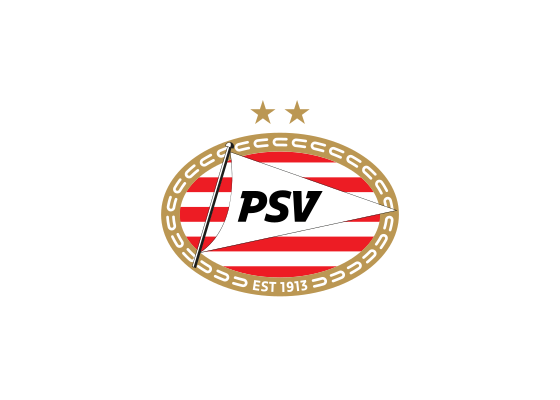
The PSV logo reflects the club’s deep connection to Philips, the electronics giant that founded the team in 1913. The oval badge combines red and white stripes with distinctive gold accents, representing Eindhoven’s industrial heritage and European football ambitions.
PSV Eindhoven’s identity is inseparable from its corporate origins. Philips Sport Vereniging was established as the sports club for Philips employees, creating a unique relationship between industrial innovation and football excellence that continues today. The oval badge format, somewhat unusual in Dutch football, suggests both tradition and the technological precision associated with Philips’ global brand.
The red and white stripes dominate the composition, creating strong vertical rhythm that maintains recognition whether displayed on kits, the Philips Stadion, or digital platforms. The addition of gold or bronze accents references both the club’s trophy success (European Cup winner in 1988, multiple Eredivisie titles) and the premium quality associated with the Philips name. This color combination ensures PSV stands distinctively apart from rivals Ajax (red and white) and Feyenoord (red and white with different configurations), while the oval structure provides unique geometric identity in the Eredivisie.
Meaning and Symbolism
- Philips connection grounds the club in Eindhoven’s industrial identity, with the company name literally in the club’s full title
- Oval badge structure creates distinctive geometric identity compared to circular or shield-based crests common in Dutch football
- Red and white stripes establish clear visual language that works across kits, merchandise, and stadium branding
- Gold accents reference European success and trophy heritage, including the 1988 European Cup triumph
- Eredivisie founding member status since 1956 positions PSV as one of Dutch football’s establishment clubs
Design and History
PSV’s visual identity evolved alongside Eindhoven’s transformation from industrial center to technology hub. The Philips connection provided financial stability that allowed PSV to compete at the highest European level, particularly during the 1980s when the club won the European Cup and reached multiple continental finals. The badge reflects this ambition, balancing corporate heritage with sporting achievement.
The oval format distinguishes PSV from the circular badges common among Dutch clubs, creating immediate recognition in Eredivisie broadcasts and European competitions. This geometric choice also allows for efficient use of space, accommodating text and graphic elements within a compact footprint that works at small scales on mobile screens and social media avatars.
Playing at the Philips Stadion since 1913, PSV needed an identity that could honor its corporate roots while establishing sporting credibility. The red and white stripes provide that bridge, traditional enough for football heritage yet distinctive enough to stand out in the Eredivisie’s competitive visual landscape. The gold accents, whether rendered as true metallic or warm bronze tones, elevate the mark beyond standard sports branding.
Typography
Typography in the PSV badge uses bold, condensed letterforms that complement the oval’s vertical emphasis. The letters maintain strong legibility while fitting efficiently within the badge’s geometric constraints. The type treatment projects authority appropriate for one of the Netherlands’ most successful clubs, with 25 Eredivisie titles and significant European heritage.
FAQ
Q: What does PSV stand for and why is Philips in the name? A: PSV stands for Philips Sport Vereniging, meaning Philips Sports Association. The club was founded in 1913 as the sports club for Philips electronics employees in Eindhoven. This corporate connection remains strong, with Philips continuing as a major sponsor and the stadium bearing the company name, making PSV unique among major European clubs for its sustained industrial relationship.
Q: How does PSV’s badge differ from other Dutch clubs? A: PSV uses an oval badge structure, which is relatively uncommon in Dutch football where circular crests dominate. This geometric distinction, combined with the specific red and white striped pattern and gold accents, ensures PSV stands apart from rivals Ajax and Feyenoord despite all three clubs using red and white as primary colors.
Q: What do the gold accents represent in the PSV badge? A: The gold or bronze accents reference PSV’s trophy success, most notably the 1988 European Cup victory, one of Dutch football’s greatest achievements. The metallic tones also suggest the premium quality and technological excellence associated with Philips, reinforcing the connection between Eindhoven’s industrial heritage and the club’s sporting ambitions.
More logos with similar colors