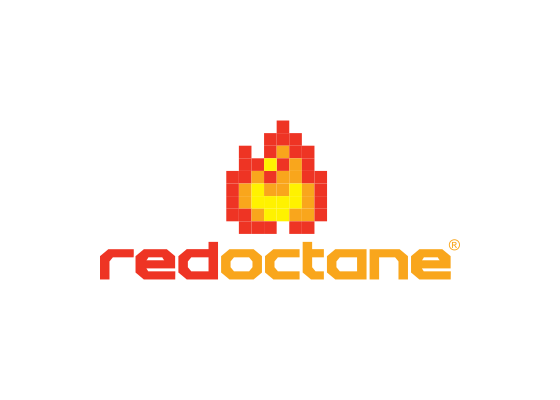
RedOctane’s fiery logo combining red (#ee3424), orange (#f9a61c), and yellow (#fff200) represented the electronic entertainment company founded in 1999, best known for producing the Guitar Hero series beginning in 2005 before being dissolved by Activision in 2010.
Meaning and Symbolism
- The flame-like red, orange, and yellow gradient evokes the energy and intensity of rock music
- The vibrant color progression suggests performance, spectacle, and the electric atmosphere of concerts
- The abstract geometric design hints at the innovative music gaming peripherals RedOctane pioneered
- The hot color palette reflects the passion and excitement of rhythm gaming
- The bold aesthetic positioned RedOctane as a disruptive force in interactive entertainment
History and Evolution
RedOctane was founded in 1999 by brothers Kai and Charles Huang with a focus on creating innovative gaming peripherals. The company initially specialized in dance pad controllers for rhythm games like Dance Dance Revolution, recognizing the emerging market for physical, music-based gaming experiences. RedOctane’s dance pads became popular among rhythm game enthusiasts seeking higher-quality alternatives to the basic pads bundled with console versions. This experience manufacturing specialized music gaming peripherals positioned RedOctane perfectly for its breakthrough product.
In November 2005, RedOctane launched Guitar Hero, developed in partnership with Harmonix Music Systems. The game featured a guitar-shaped controller and allowed players to perform rock songs by pressing fret buttons and strumming in time with on-screen prompts. Guitar Hero became a cultural phenomenon, selling millions of copies and spawning a franchise that would define music gaming for the next half-decade. The game’s success attracted major industry players, and Activision acquired RedOctane in 2006 for approximately $100 million.
Under Activision ownership, RedOctane continued producing Guitar Hero titles and peripherals, contributing to a franchise that generated over $2 billion in revenue at its peak. However, as the music gaming market became oversaturated with multiple Guitar Hero and Rock Band releases, consumer interest declined. Facing falling sales and changing market conditions, Activision closed the RedOctane division in February 2010, absorbing the Guitar Hero brand directly into Activision’s operations. Despite its relatively brief existence, RedOctane left a lasting impact on gaming, demonstrating the commercial viability of music-based games with innovative peripheral controllers.
Typography and Design
The RedOctane logo featured an abstract geometric design incorporating the company name with dynamic angular shapes suggesting movement and energy. The typography was bold and modern, designed to appeal to the teen and young adult demographic that formed the core Guitar Hero audience. The letterforms were likely customized to integrate seamlessly with the abstract graphic elements, creating a unified mark rather than separate text and icon components.
The flame-inspired color gradient from red (#ee3424) through orange (#f9a61c) to yellow (#fff200) created immediate visual impact and conveyed the heat and intensity of rock performance. This color scheme appeared consistently across product packaging, marketing materials, video game interfaces, and the controllers themselves. The design aesthetic reflected the mid-2000s gaming industry’s embrace of bold, energetic branding that competed for attention in crowded retail environments. The logo successfully communicated RedOctane’s position at the intersection of gaming technology and rock music culture.
Frequently Asked Questions
Who designed the RedOctane logo? The logo was likely developed by the founding team or an agency during the company’s late 1990s launch, designed to appeal to rhythm gaming enthusiasts and convey the energy of music-based gaming.
When was RedOctane dissolved? Activision closed the RedOctane division in February 2010 due to declining sales in the music gaming market, though the Guitar Hero brand continued under Activision’s direct management for several more years.
What was Guitar Hero’s cultural impact? Guitar Hero became one of the most successful video game franchises of the 2000s, generating over $2 billion in sales at its peak and introducing millions of players to rock music history while demonstrating the commercial potential of music-based gaming with specialized controllers.
More logos with similar colors