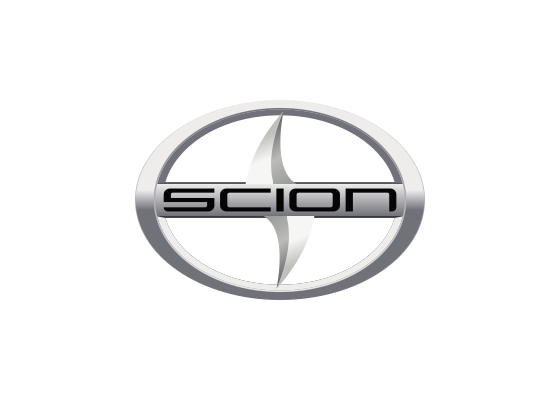
The Scion logo featured a minimalist oval emblem in chrome and black, representing Toyota’s discontinued youth-focused brand that targeted Generation Y buyers from 2003 to 2016 with affordable, customizable sport compacts.
Meaning and Symbolism
- The oval shape maintained visual connection to Toyota’s corporate identity while establishing distinct brand separation
- Chrome and metallic finishes suggested modernity, urban style, and the customization culture Scion emphasized
- The simple, clean design appealed to younger buyers seeking distinctive identity without traditional automotive formality
- The wordmark’s contemporary styling rejected retro heritage in favor of forward-looking youth culture
- The minimalist aesthetic aligned with Scion’s “pure price” sales model that emphasized simplicity and transparency
History and Evolution
Scion launched in California in June 2003 before expanding nationwide by February 2004, representing Toyota’s strategic effort to capture Generation Y customers through distinctive products and innovative marketing. The brand emphasized inexpensive, stylish sport compact vehicles offered at non-negotiable base prices with extensive dealer-installed customization options. This simplified sales approach rejected traditional trim levels and haggling, appealing to younger buyers skeptical of conventional dealer experiences.
The brand peaked in 2006 with 173,034 units sold before gradually declining as the target demographic aged and market preferences shifted. Scion relied heavily on guerrilla and viral marketing techniques, sponsoring underground events, video games, and cultural activities rather than traditional advertising. The brand expanded to Canada in 2010 but ultimately ceased operations as Toyota integrated successful Scion models like the FR-S and iM into the Toyota lineup. The logo’s evolution remained subtle throughout the brand’s lifespan, maintaining consistency even as the market strategy proved unsustainable long-term.
Typography and Design
The Scion wordmark used a custom contemporary typeface with clean, geometric letterforms that emphasized modernity over tradition. The typography avoided ornamental elements or automotive heritage styling, instead creating a fresh identity that resonated with urban youth culture. The design system prioritized flexibility across diverse applications from vehicle badges to music festival sponsorships, reflecting Scion’s attempt to integrate automotive branding into broader lifestyle contexts beyond traditional car marketing.
Frequently Asked Questions
Who designed the Scion logo? The Scion logo was developed by Toyota’s internal design teams in collaboration with marketing agencies specializing in youth-focused brand development during the early 2000s.
When was the Scion logo last updated? Scion maintained relatively consistent branding throughout its 2003-2016 existence, with minor refinements as the brand evolved its product lineup and marketing approaches.
What do the colors in the Scion logo represent? The chrome, black, and gray palette represented modern urban style, customization culture, and a clean break from traditional automotive branding, appealing to younger buyers seeking distinctive identity.
More logos with similar colors