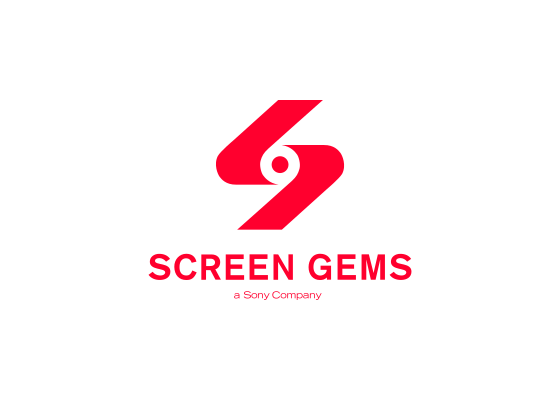
Screen Gems’ bold red logo represents the Sony Pictures division that specializes in genre films, particularly horror, with a design that evokes classic Hollywood glamour while signaling contemporary entertainment excitement.
Meaning and Symbolism
- The vibrant red (#ff002e) symbolizes passion, drama, and the visceral emotional responses horror and thriller genres evoke in audiences
- The name “Screen Gems” references both the gemstone brilliance of classic cinema and the screen itself, honoring Hollywood’s golden age vocabulary
- The clean, bold typography conveys confidence and commercial appeal, appropriate for a studio focused on accessible, profitable genre entertainment
- Red positioning differentiates Screen Gems from Sony Pictures Classics (art house) and Columbia Pictures (prestige tentpoles) within the corporate family
- The straightforward wordmark reflects the studio’s mission: delivering entertaining films efficiently rather than chasing awards or artistic prestige
History and Evolution
Screen Gems originated in 1933 as the short-film production arm of Columbia Pictures, producing animated cartoons and live-action shorts during Hollywood’s studio system era. The name referenced the idea that films were precious gems displayed on cinema screens. The division pivoted to television production in 1948, becoming a pioneering force in early TV with series like “Father Knows Best,” “Dennis the Menace,” and “Bewitched” throughout the 1950s-60s, making Screen Gems synonymous with classic American sitcoms.
Columbia Pictures Television absorbed Screen Gems in 1974, retiring the name for two decades. Sony Pictures Entertainment revived the Screen Gems brand in 1999 as a specialized theatrical distribution label focused on genre films, particularly horror, thriller, and young adult properties that could be produced economically and marketed effectively to specific demographics. This strategic positioning filled a gap in Sony’s portfolio between prestige Columbia releases and art house Sony Pictures Classics titles.
Under Sony ownership, Screen Gems found commercial success with horror franchises “Resident Evil” (2002-2016, $1.2 billion worldwide), “Underworld” (2003-2016, $539 million), and “Insidious” (2010-2023). The studio became known for reliable profitability through modest budgets ($15-40 million) and strong opening weekends driven by genre audiences. Notable releases included “The Roommate” (2011), “Don’t Breathe” (2016), “Escape Room” (2019), and “The Invitation” (2022), establishing Screen Gems as a dependable supplier of theatrical genre entertainment.
Typography and Design
The Screen Gems wordmark uses a bold, condensed sans-serif typeface that commands attention on movie posters, theatrical trailers, and streaming platforms. The all-caps treatment creates visual impact and evokes vintage Hollywood title cards while remaining thoroughly contemporary. The tight letter spacing and strong vertical emphasis maximize legibility on crowded one-sheets featuring key art, cast photos, and marketing copy.
The red color appears consistently as a closing logo card at the end of Screen Gems films, creating brand recognition among genre audiences who follow horror and thriller releases. The straightforward design reflects the studio’s production philosophy: deliver satisfying genre experiences efficiently without pretension. Unlike the elaborate animated logos of major studios, Screen Gems uses a simple fade-in wordmark that doesn’t distract from the film’s final moments, maintaining the emotional atmosphere the filmmakers crafted.
Frequently Asked Questions
Who designed the Screen Gems logo? The current Screen Gems logo was designed by Sony Pictures’ internal creative services team when the brand was revived in 1999 as a genre film distribution label, creating a simple wordmark that honored the division’s classic Hollywood heritage.
When was the Screen Gems logo last updated? The red wordmark has remained largely unchanged since the 1999 revival, with minor refinements to typography and color specifications in 2010 to ensure consistency across digital and theatrical distribution platforms.
What do the colors in the Screen Gems logo represent? The bold red represents passion, excitement, and the visceral emotional impact of horror and thriller genres, while creating clear differentiation from Sony Pictures’ other distribution labels and signaling accessible, entertaining cinema for genre audiences.