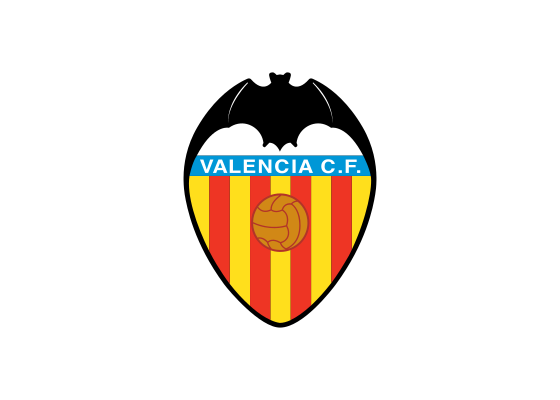
The Valencia CF logo features a striking bat silhouette atop a shield divided by the club’s Senyera stripes, creating a powerful emblem that represents one of Spain’s most storied football institutions. This design combines Valencian regional identity with the club’s rich European competition history.
The badge centers on the distinctive bat (ratpenat in Valencian), a symbol deeply rooted in the city of Valencia’s heraldic tradition and local mythology. The bat appears in black against a white background, creating bold visual contrast. Below the bat, the shield displays the Senyera, the traditional red and yellow striped flag of the Valencian Community, rendered in vibrant orange-red and golden yellow. The crown at the top adds a touch of prestige, while the club’s founding year and initials appear integrated into the design. This layered approach creates a badge rich in regional symbolism while maintaining clean execution.
Valencia’s color palette draws directly from regional heritage. The orange-red and yellow reference the Senyera flag, while the addition of black and white provides contrast and sophistication. The bat symbol differentiates Valencia from other Spanish clubs, most of which rely on lions, crosses, or simple lettering. This unique creature creates immediate recognition and connects the club to centuries of Valencian cultural identity.
Meaning and Symbolism
- Bat symbol: Represents Valencia’s city emblem, rooted in legend and centuries of regional heraldry
- Senyera stripes: The red and yellow striped flag of the Valencian Community, establishing regional pride
- Crown: Symbolizes the club’s prestige and status as one of Spain’s most successful teams
- Shield format: Traditional football crest structure conveying heritage and competitive history
- Black bat on white: Creates maximum visual impact and instant recognition
Design and History
Valencia CF was founded in 1919 and quickly established itself as one of Spain’s elite clubs. The bat symbol has appeared in various forms throughout the club’s history, rooted in the legend of King James I’s conquest of Valencia in 1238, when a bat appeared on his flag before battle. This creature became central to Valencia’s civic identity and naturally transferred to the football club’s badge.
The current badge design balances tradition with modern execution. The simplified bat silhouette ensures clarity at small sizes and across digital applications, while the Senyera stripes provide vibrant color and regional connection. Valencia has won six La Liga titles, eight Copa del Rey trophies, and reached back-to-back UEFA Champions League finals in 2000 and 2001, cementing their status as a European powerhouse. The badge effectively communicates this heritage while maintaining contemporary relevance.
Typography
Valencia’s wordmark employs bold, confident letterforms that complement the strong visual elements of the badge. The typography balances traditional football club aesthetics with modern legibility, ensuring the club name works effectively across merchandise, digital platforms, and stadium signage. The straightforward approach reflects the club’s no-nonsense competitive identity.
FAQ
Q: Why does Valencia CF use a bat in their logo? A: The bat is Valencia’s civic symbol, rooted in local legend dating to the 13th century when King James I conquered the city. The bat appears on the city’s coat of arms and has become synonymous with Valencian identity, making it a natural choice for the football club’s badge.
Q: What do the stripes in the Valencia logo represent? A: The red and yellow stripes represent the Senyera, the traditional flag of the Valencian Community. These colors connect the club directly to regional identity and distinguish Valencia from other Spanish clubs.
Q: Has the Valencia bat symbol always been part of the logo? A: The bat has appeared in various forms throughout Valencia’s history since the club’s founding in 1919. While the badge has undergone refinements and modernizations, the bat has remained a consistent and central element, connecting past and present through recognizable symbolism.
More logos with similar colors