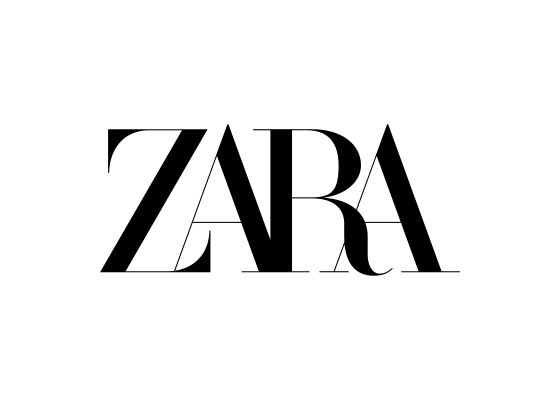
The Zara logo features elegant serif lettering designed by Fabien Baron, representing the Spanish fast-fashion retailer that pioneered rapid design-to-retail cycles and grew into the flagship brand of Inditex, the world’s largest apparel retailer.
Zara SA operates as a Spanish fast-fashion clothing and accessories retailer based in Arteixo, Galicia. Amancio Ortega and Rosalía Mera founded the company in 1975, opening the first store in A Coruña, Spain. Ortega developed a revolutionary business model responding to fashion trends in real time, designing, manufacturing, and distributing new styles to stores within weeks rather than months. This vertical integration allowed Zara to capture trends quickly while maintaining quality and affordability. The company expanded internationally starting in the 1980s, becoming the main brand of Inditex Group, which also owns Massimo Dutti, Pull&Bear, Bershka, and other labels. Today Zara operates over 2,000 stores in 96 countries and manages up to 20 clothing collections annually, making it one of the most successful fast-fashion brands globally.
The Fabien Baron-designed logo employs refined serif typography that communicates fashion sophistication rather than budget retail. The elegant letterforms signal that Zara offers runway-inspired fashion at accessible prices, positioning the brand between true luxury and discount retailers. The black wordmark creates timeless elegance while working effectively across Zara’s minimal store design, shopping bags, and digital presence. The logo’s restraint matches Zara’s operational efficiency, suggesting quality and style without excessive decoration.
Meaning and Symbolism
- Elegant serif typography: Communicates fashion sophistication and design quality, positioning Zara above typical discount retailers in customer perception.
- Black wordmark: Projects timeless elegance and premium positioning while maintaining versatility across varied applications and backgrounds.
- Refined letterforms: Suggest the runway-inspired design that Zara translates into affordable clothing, bridging high fashion and mass market.
- Minimal design: Reflects operational efficiency and the streamlined aesthetic of Zara stores, letting clothing be the focus rather than elaborate branding.
- Contemporary serif: Balances fashion credibility with accessibility, avoiding both dated traditional serifs and cold modern geometry.
Design and History
Zara’s business model revolutionized fashion retail by collapsing traditional timelines between design and sales. Where conventional retailers planned collections seasons in advance, Zara responded to current trends, producing small batches and refreshing inventory constantly. This approach required visual identity that communicated fashion credibility while remaining accessible to mainstream customers. The Fabien Baron logo achieves this balance through refined typography that signals taste and quality without appearing exclusive or intimidating.
Baron, a renowned art director who worked with major fashion publications and luxury brands, brought high-fashion sensibility to Zara’s mass-market positioning. The serif wordmark feels editorial and sophisticated, reminiscent of fashion magazine mastheads. This connection to fashion media proved strategic, as Zara’s business model depended on quickly translating runway trends seen in publications into affordable retail versions.
The logo’s elegance differentiates Zara from fast-fashion competitors like H&M or Forever 21, which use more straightforward, energetic branding. Zara’s refined approach positions the brand as aspirational, suggesting that customers are making fashionable choices rather than budget compromises. This perception supports pricing that sits above discount retailers while remaining significantly below luxury brands.
Zara’s minimal store design amplifies the logo’s impact. The black wordmark appears on white or neutral backgrounds, creating striking contrast that feels gallery-like rather than cluttered retail. This aesthetic consistency from logo to store design to product presentation creates cohesive brand experience that communicates thoughtfulness and curation rather than overwhelming volume typical of fast fashion.
Typography
The Zara wordmark employs a custom serif typeface with contemporary proportions and refined details. The letterforms feature elegant curves, balanced weight distribution, and subtle contrast between thick and thin strokes. The serifs are clean and understated rather than ornate, creating sophistication without appearing traditional or dated. The letter spacing creates rhythm and elegance while maintaining legibility. The typeface projects fashion authority and editorial quality appropriate for a retailer translating runway trends into accessible clothing.
FAQ
Q: Who designed the Zara logo? A: Fabien Baron, a renowned art director and designer who worked with major fashion publications and luxury brands, created the elegant serif wordmark that positions Zara as sophisticated fast fashion.
Q: How does Zara differ from other fast-fashion retailers? A: Zara pioneered rapid design-to-retail cycles, producing runway-inspired styles within weeks rather than months through vertical integration, allowing the brand to respond to current trends while competitors work seasons ahead.
Q: Why does the Zara logo look so refined for a fast-fashion brand? A: The elegant typography positions Zara as aspirational fashion rather than budget compromise, supporting pricing above discount retailers while communicating design quality and trend awareness that justifies the premium over competitors.