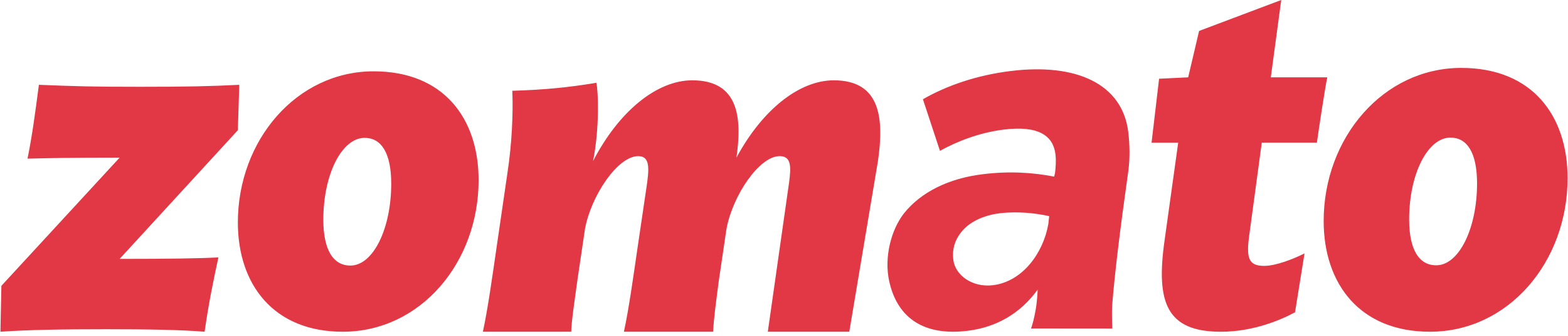
The Zomato logo represents an Indian multinational restaurant aggregator and food delivery company founded in 2008 by Deepinder Goyal and Pankaj Chaddah, operating in over 1,000 Indian cities.
The Zomato wordmark features bold, energetic red that creates appetite appeal and urgency critical for food delivery applications. The vibrant coral-red (#e23744) stands out on mobile screens and delivery packaging while projecting the warmth and excitement of discovering great food. The color works equally well in the context of restaurant discovery browsing and the time-sensitive nature of food delivery ordering, where visual prominence matters for app icon recognition and brand recall. The straightforward typographic treatment ensures instant legibility across digital interfaces, from smartphone apps to desktop browsers to delivery partner uniforms.
The red choice positions Zomato within the competitive food delivery landscape dominated by bold, appetite-stimulating colors. Where Western competitors often use brighter primary reds, Zomato’s slightly tempered coral-red feels modern and approachable while maintaining the energy essential for quick-service food platforms. The color system extends across Zomato’s ecosystem, from the main consumer app to delivery fleet branding to restaurant partner materials, creating cohesive brand presence throughout the food ordering experience.
Meaning and Symbolism
- Coral-Red Color: Stimulates appetite, creates urgency for food delivery, and ensures mobile app visibility
- Bold Typography: Projects confidence and establishes strong presence in competitive food delivery market
- Digital-First Design: Optimized for smartphone screens where most users discover restaurants and order food
- Accessible Energy: Balances excitement of food discovery with approachable, everyday usability
Design and History
Founded in 2008 by Deepinder Goyal and Pankaj Chaddah, Zomato began as Foodiebay, a restaurant discovery platform helping users find dining options through menus and reviews. The company evolved from simple restaurant information aggregator to comprehensive food delivery ecosystem competing with Swiggy, Uber Eats, and regional players across Indian and international markets.
The transition from Foodiebay to Zomato marked strategic repositioning as the platform expanded beyond Delhi NCR. The new name provided more flexibility for international expansion while the red branding created consistent identity across diverse markets with different languages, cuisines, and dining cultures. This visual consistency proved crucial as Zomato expanded to over 24 countries at its peak, requiring brand recognition that transcended language barriers.
The logo evolved as Zomato’s business model shifted from restaurant discovery to delivery-focused operations. Early iterations emphasized restaurant reviews and social features, but contemporary branding reflects the delivery-first strategy that now generates the majority of revenue. The streamlined wordmark works efficiently at small scales on delivery packaging, partner restaurant tablets, and the delivery fleet vehicles that serve as mobile advertising.
Zomato’s competitive landscape in India required differentiation from Swiggy’s orange and international players like Foodpanda and Uber Eats. The red provided appetite appeal while the specific coral tone created distinction from pure primary reds used by competitors. This subtle differentiation matters significantly in markets where multiple food delivery apps compete intensely for both customer attention and restaurant partnerships.
The company went public in 2021, becoming one of India’s first food delivery platforms to list. The brand needed to balance consumer appeal with investor credibility, maintaining the energetic consumer-facing identity while projecting operational maturity suitable for public markets. The logo serves both audiences, appearing in investor presentations and quarterly reports alongside its consumer applications.
Zomato’s expansion into adjacent categories including grocery delivery, subscription programs, and restaurant management software required brand flexibility. The core red identity extends across these offerings while allowing categorical differentiation through secondary colors and iconography. This architecture enables Zomato to compete as comprehensive food-tech platform rather than single-purpose delivery service.
Typography
The Zomato wordmark employs a bold, contemporary sans-serif typeface with substantial weight and friendly, rounded characteristics. The letterforms balance strong presence with approachability, avoiding both corporate stiffness and excessive playfulness. The typography performs well across digital applications from high-resolution smartphone screens to lower-resolution delivery partner devices, ensuring brand consistency throughout the ordering and delivery experience. The letterforms’ generous proportions enhance legibility when the logo appears at small sizes on packaging, stickers, and app icons.
FAQ
Q: When was Zomato founded? A: Zomato was founded in 2008 by Deepinder Goyal and Pankaj Chaddah as Foodiebay before rebranding to Zomato during its expansion beyond Delhi NCR.
Q: How large is Zomato’s presence in India? A: As of 2022, Zomato operates in more than 1,000 Indian cities, providing restaurant information, menus, user reviews, and food delivery services from partner restaurants.
Q: What services does Zomato provide? A: Zomato offers restaurant discovery with menus and reviews, food delivery from partner restaurants, grocery delivery, subscription programs, and restaurant management software solutions for partners.